In today’s fast-paced world, where living spaces are often shrinking and time is a precious commodity, the personal electric skillet emerges as a true kitchen hero. This compact yet mighty appliance is revolutionizing how individuals, students, and travelers approach meal preparation, offering an unparalleled blend of convenience, versatility, and efficiency. It’s more than just a pan with a plug; it’s a gateway to delicious, home-cooked meals without the need for a full-sized kitchen.
Why a Personal Electric Skillet? Unveiling Its Core Benefits
The appeal of a personal electric skillet stems from its ability to address common modern lifestyle challenges, making healthy and enjoyable cooking accessible to everyone.
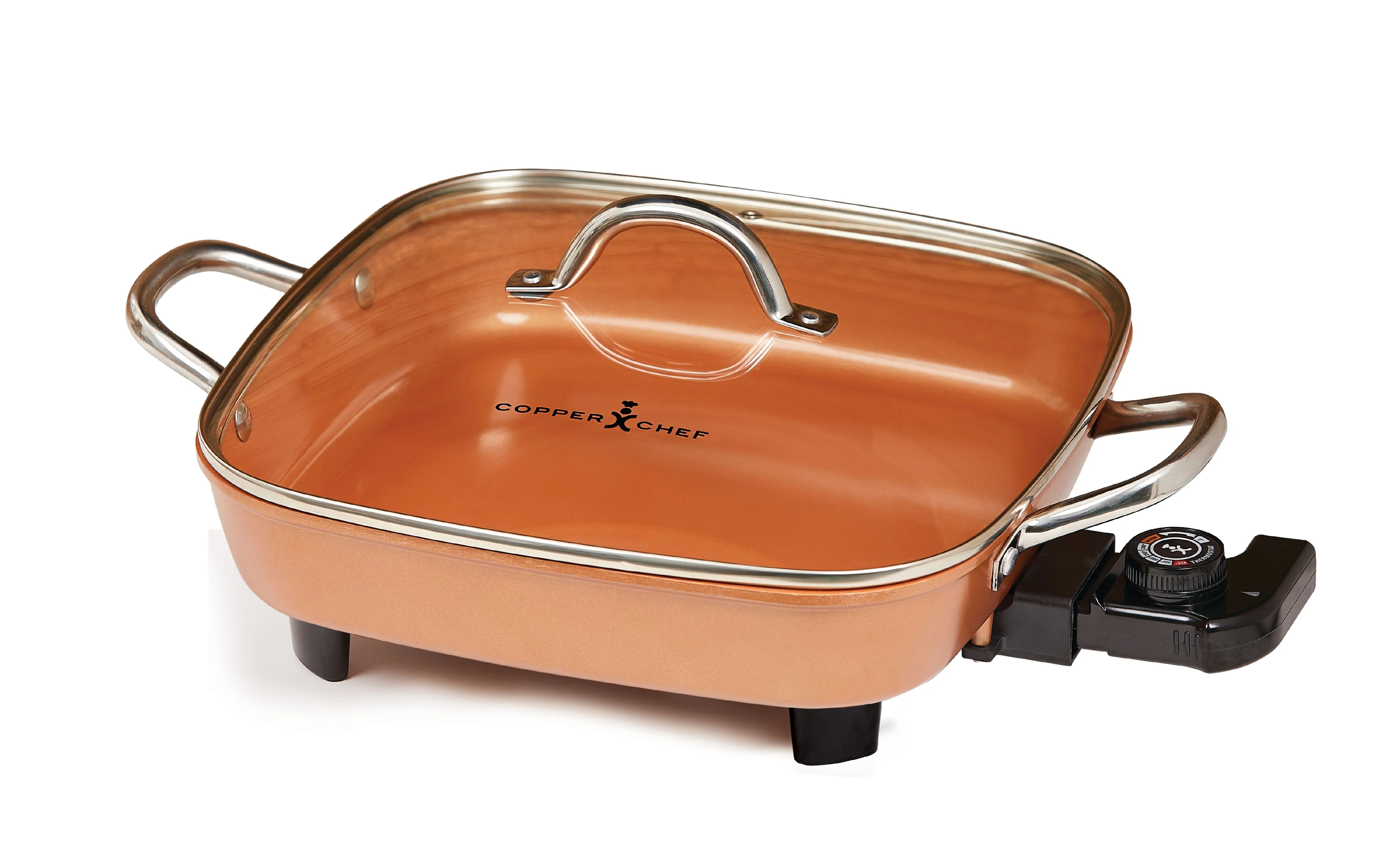
Space-Saving Design: Perfect for Small Living
One of the most immediate benefits is its diminutive footprint. Unlike bulky traditional cookware or stove-top setups, a personal electric skillet typically measures between 6 to 8.5 inches, making it an ideal choice for apartments, dorm rooms, small offices, or any kitchen with limited counter space. Its compact nature ensures it can be easily stored in a cabinet or even a drawer, liberating your countertops from clutter.
Unmatched Versatility for Individual Meals
Don’t let its size fool you; this appliance is a culinary chameleon. From sizzling bacon and fluffy pancakes for a solitary breakfast to perfectly seared stir-fries, omelets, or even a mini batch of chili for dinner, a personal electric skillet handles a surprising array of dishes with ease. It’s perfect for cooking single servings or side dishes, eliminating the waste and effort often associated with preparing large meals.
Energy Efficiency and Portability: Cook Anywhere
For those on the go, a personal electric skillet is a game-changer. Its portability makes it an excellent companion for camping trips, RV adventures, or simply moving your cooking station from the kitchen to a patio. Furthermore, these smaller units often consume less wattage (typically 450W-650W) than a full stovetop burner, translating to more energy-efficient cooking and potentially lower utility bills. “For anyone navigating small living spaces, a personal electric skillet isn’t just a convenience; it’s an essential tool that unlocks a world of culinary independence and creativity, proving that great meals don’t require grand kitchens,” remarks Dr. Eleanor Vance, a renowned culinary appliance specialist.
Decoding the Features: What to Look for in Your Personal Electric Skillet
When selecting a personal electric skillet, understanding its key features will help you find the perfect match for your cooking needs.
Size and Capacity: Finding Your Perfect Match
Personal electric skillets usually range from 6 to 8.5 inches in diameter or square dimension. An 8.5-inch model, for instance, is often ideal for 1-2 person meals, offering enough surface area for two eggs or a decent portion of stir-fry. Smaller 6-inch models are excellent for ultra-compact spaces or minimalist cooking.
Non-Stick Surface: The Secret to Easy Cooking and Cleaning
A high-quality non-stick interior is paramount. It ensures food releases effortlessly, requiring minimal oil or butter for healthier cooking, and makes cleanup incredibly simple. Look for durable, PFOA-free coatings for both performance and safety.
Precise Temperature Control: Mastering Your Culinary Creations
Most personal electric skillets feature an adjustable temperature dial, often ranging from 200°F to 400°F, sometimes with a “Warm” setting. This precision allows you to simmer, sauté, fry, or keep food warm at just the right heat, preventing scorching and ensuring consistent results. While some very basic models might only have an on/off switch without precise temperature settings, those with a control dial offer greater culinary flexibility.
Durable Lids and Cool-Touch Elements: Safety and Convenience
A tempered glass lid with a steam vent is a crucial feature, allowing you to monitor your food without lifting the lid and retaining heat and moisture for better cooking. Cool-touch handles and knobs are also important for safe handling, especially when moving the hot skillet.
Power and Even Heat Distribution: Performance Matters
Look for a wattage of at least 450W-650W for efficient heating. More importantly, the skillet should offer even heat distribution across its cooking surface to prevent hot spots and ensure consistent cooking from edge to edge. This is particularly important for delicate items like pancakes or evenly browning meats.
Choosing the Right Personal Electric Skillet for Your Lifestyle
Making an informed decision about your personal electric skillet involves considering your specific needs and priorities, much like you would when browsing product specifications on popular retail platforms.
Material Matters: From Aluminum to Ceramic
The cooking surface material influences both durability and heat performance. Many personal electric skillets feature a heavy-cast aluminum base for excellent heat conduction, often paired with a durable non-stick coating. Ceramic non-stick options are also popular for those seeking alternatives to traditional non-stick surfaces, often praised for their natural non-stick properties and even heating.
Wattage and Heating Speed: Understanding the Power
While smaller personal skillets typically range from 450W to 650W, understanding that higher wattage generally means faster heating is key. If quick meals are a priority, a model on the higher end of this range might be more suitable. However, even a 600W model can sufficiently power a smaller cooking space, offering adequate heat for most single-serve applications.
Ease of Cleaning: A Non-Negotiable Feature
For many, the ease of cleanup is as important as cooking performance. Prioritize models with truly non-stick surfaces where food slides off easily. Removable temperature probes often mean the pan itself can be fully immersed in water or, in some cases, is even dishwasher safe (though hand washing is often recommended for longevity of non-stick coatings).
Beyond the Basics: Tips for Maximizing Your Personal Electric Skillet
Once you’ve chosen your personal electric skillet, a few simple tips can help you get the most out of your new kitchen companion.
Preheating for Perfection
Just like a regular pan, preheating your electric skillet is crucial. Allow it to reach your desired temperature before adding food to ensure even cooking and a perfect sear or crisp.
Safe Usage Practices
Always place your skillet on a stable, heat-resistant surface. Never immerse the base of the skillet in water if the heating element is integrated and not removable. Use only non-abrasive utensils (wood or silicone) to protect the non-stick coating.
Creative Cooking Ideas
- Breakfast Bliss: Scramble eggs, fry individual bacon strips, make small batches of fluffy pancakes or French toast.
- Quick Lunches: Grill cheese sandwiches, cook quesadillas, or sauté vegetables for a healthy side.
- Effortless Dinners: Prepare a single-serving stir-fry, sear a chicken breast or fish fillet, or simmer a small pot of soup or pasta. Some models can even bake small cakes or brownies!
Keeping It Pristine: Cleaning and Maintenance for Longevity
Proper care ensures your personal electric skillet remains a valuable tool for years to come.
After each use, allow the skillet to cool completely. Unplug it and remove any detachable temperature control probes. Wipe the non-stick surface clean with a soft cloth or sponge and warm, soapy water. Avoid abrasive scrubbers or harsh detergents, which can damage the non-stick coating. The glass lid is often dishwasher safe, but always check the manufacturer’s instructions. For the main unit, a damp cloth is usually sufficient for cleaning the exterior.
Frequently Asked Questions (FAQ)
What is the ideal size for a personal electric skillet?
An ideal personal electric skillet typically ranges from 6 to 8.5 inches. This size is perfect for preparing single servings, snacks, or side dishes, fitting comfortably in smaller kitchens or for portable use.
Can I bake in a personal electric skillet?
Yes, many personal electric skillets can be used for baking small items like cookies, brownies, or even a single-serving cake, especially those with good temperature control that can hold consistent low heat.
How do I clean a non-stick personal electric skillet?
After it cools, unplug the skillet and remove the temperature probe. Wipe the non-stick surface with a soft cloth or sponge and warm, soapy water. Avoid abrasive cleaners. The glass lid is often dishwasher-safe.
Are personal electric skillets energy efficient?
Yes, generally they are. Compared to heating a large stovetop burner for a small meal, a personal electric skillet, typically using 450W-650W, is more energy-efficient for cooking individual portions.
What are some common meals to make for one person?
You can easily make eggs (scrambled, fried), bacon, pancakes, grilled cheese, stir-fries, quesadillas, small portions of pasta, seared meats (chicken, fish), or even reheat leftovers efficiently.
Conclusion
The personal electric skillet is far more than a niche appliance; it’s a testament to how intelligent design can enhance everyday living. For anyone seeking to simplify meal prep, save space, or enjoy the freedom of cooking anywhere, this compact culinary powerhouse offers an indispensable solution. Embrace the versatility, appreciate the convenience, and discover a world of delicious possibilities that fit perfectly into your modern lifestyle. It’s time to elevate your individual cooking experience!
|
Our Picks for the Best Electric Skillet in 2026
As an Amazon Associate I earn from qualifying purchases.
|
||
| Num | Product | Action |
|---|---|---|
| 1 | Amazon Basics Electric Skillet and Frying Pan with Glass Lid, Nonstick Ceramic Coating, 12 x 12 inches, Black |

|
| 2 | Elite Gourmet EG-6203# Extra Deep 16\"x13\"x3.2\" (10.5Qt.) Scratch Resistant, Easy Pour Spout Dishwasher Safe, Non-stick Electric Skillet with Glass Vented Lid, Adjustable Temperature, Black |
|
| 3 | Nuwave Medley XL Digital Electric Skillet, Family Size Griddle w/Glass Lid, 2025 New & Improved Precision Heating, 100°-425°F, PFAS Free G11 Nonstick Ceramic Coating, Portable Hot Plate, 7qt Capacity |
|
| 4 | bella Make & Take Electric Skillet, Fits-anywhere™ kitchenware, EverGood™ Ceramic Coating, Adjustable Temperature & Dishwasher-Safe Tempered Glass Lid, Cast Aluminum Base, 1200 Watt, Plum |
|
| 5 | bella Make & Take Electric Skillet, Fits-anywhere™ kitchenware, EverGood™ Ceramic Coating, Adjustable Temperature & Dishwasher-Safe Tempered Glass Lid, Cast Aluminum Base, 1200 Watt, Seaglass |
|
| 6 | Audecook Hot Pot Electric, 2.5L Portable Nonstick Multicooker for 1-3 Persons, Honeycomb Texture Travel Electric Skillet with Dual Power Temperature Control for Steak/Egg/Noodles/Oatmeal (Black) |
|
| 7 | Blue Diamond 7QT 5-in-1 Extra Large Electric Skillet, Healthy Ceramic Nonstick Interior, Non-Toxic PFAS-Free, Temperature Control, Stay Cool Handles, Easy Clean, Graphite |
|
| 8 | COSTWAY 39.5” Electric Griddle, Extra Large Teppanyaki Grill with 2 Nonstick Surfaces, Adjustable Temperature, Insulated Handles & Drip Tray, Indoor Outdoor BBQ Grill for Party, Camping & RV (39.5\'\') |
|
| 9 | Presto 07117 12\" Electric Skillet with glass cover |
|
| 10 | BELLA Electric Ceramic Titanium Skillet, Roast, Fry and Steam, Healthy-Eco Non-stick Coating, Convenient Easy Clean Up, Glass Lid Included, 12\" x 12\", Copper/Black |
|