For years, the convenience of non-stick cookware has been a kitchen staple, but a growing awareness of the chemicals involved in traditional coatings has led many home cooks to seek safer, more sustainable alternatives. If you’re looking to upgrade your cooking game and prioritize well-being, choosing an electric skillet without non stick coating (or specifically, without traditional chemical coatings like PTFE and PFOA) is a smart move. It’s about more than just cooking; it’s about making conscious decisions for your health and the longevity of your kitchen essentials.
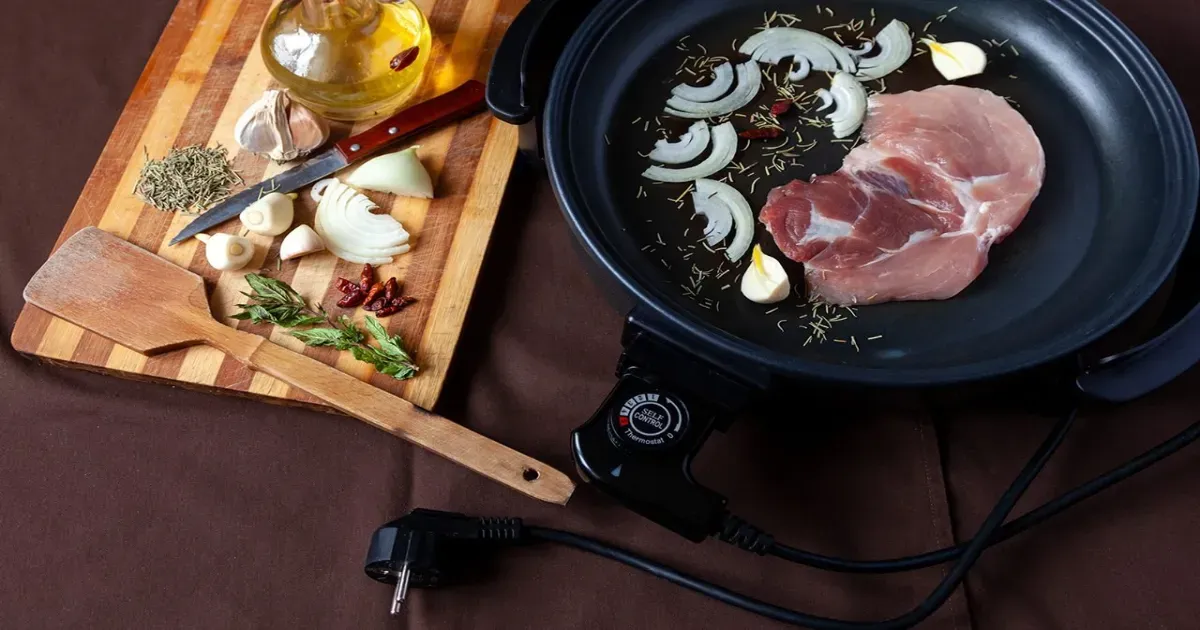
Here at ElectricSkilletPro, we understand the desire for both performance and peace of mind. That’s why we’re diving deep into the world of electric skillets that offer excellent cooking without relying on potentially questionable surfaces. Get ready to explore innovative materials, understand their unique benefits, and discover how to choose the perfect appliance to transform your everyday meals.
|
Our Picks for the Best Electric Skillet in 2026
As an Amazon Associate I earn from qualifying purchases.
|
||
| Num | Product | Action |
|---|---|---|
| 1 | bella Make & Take Electric Skillet, Fits-anywhere™ kitchenware, EverGood™ Ceramic Coating, Adjustable Temperature & Dishwasher-Safe Tempered Glass Lid, Cast Aluminum Base, 1200 Watt, Plum |

|
| 2 | Amazon Basics Electric Skillet and Frying Pan with Glass Lid, Nonstick Ceramic Coating, 12 x 12 inches, Black |
|
| 3 | Blue Diamond 7QT 5-in-1 Extra Large Electric Skillet, Healthy Ceramic Nonstick Interior, Non-Toxic PFAS-Free, Temperature Control, Stay Cool Handles, Easy Clean, Graphite |
|
| 4 | Elite Gourmet EG-6203# Extra Deep 16\"x13\"x3.2\" (10.5Qt.) Scratch Resistant, Easy Pour Spout Dishwasher Safe, Non-stick Electric Skillet with Glass Vented Lid, Adjustable Temperature, Black |
|
| 5 | bella Make & Take Electric Skillet, Fits-anywhere™ kitchenware, EverGood™ Ceramic Coating, Adjustable Temperature & Dishwasher-Safe Tempered Glass Lid, Cast Aluminum Base, 1200 Watt, Seaglass |
|
| 6 | Presto 07117 12\" Electric Skillet with glass cover |
|
| 7 | Nuwave Medley XL Digital Electric Skillet, Family Size Griddle w/Glass Lid, 2025 New & Improved Precision Heating, 100°-425°F, PFAS Free G11 Nonstick Ceramic Coating, Portable Hot Plate, 7qt Capacity |
|
| 8 | Audecook Hot Pot Electric, 2.5L Portable Nonstick Multicooker for 1-3 Persons, Honeycomb Texture Travel Electric Skillet with Dual Power Temperature Control for Steak/Egg/Noodles/Oatmeal (Black) |
|
| 9 | BELLA Electric Ceramic Titanium Skillet, Roast, Fry and Steam, Healthy-Eco Non-stick Coating, Convenient Easy Clean Up, Glass Lid Included, 12\" x 12\", Copper/Black |
|
| 10 | COSTWAY 39.5” Electric Griddle, Extra Large Teppanyaki Grill with 2 Nonstick Surfaces, Adjustable Temperature, Insulated Handles & Drip Tray, Indoor Outdoor BBQ Grill for Party, Camping & RV (39.5\'\') |
|
Why Choose an Electric Skillet Without Traditional Non-Stick?
The primary driver behind the shift away from conventional non-stick coatings, such as those made with PTFE (polytetrafluoroethylene), is concern over associated chemicals like PFOA (perfluorooctanoic acid) and PFAS (per- and polyfluoroalkyl substances). While many modern non-stick coatings are PFOA-free, the debate around the long-term safety and environmental impact of PFAS chemicals, often used in PTFE production, continues.
“Many people are understandably hesitant about traditional non-stick coatings due to health concerns, especially when pans are overheated or start to degrade,” explains Dr. Anya Sharma, a leading food science researcher. “Opting for an electric skillet without non stick coating offers a way to bypass these worries entirely, putting you in control of what touches your food.”
Beyond health, durability is a significant factor. Traditional non-stick surfaces, while incredibly convenient, can scratch, chip, and wear down over time, diminishing their performance and eventually requiring replacement. Alternatives often boast superior longevity and can even improve with age and proper care. This not only saves you money in the long run but also reduces waste, aligning with a more sustainable lifestyle.
Exploring Non-Stick Alternatives for Electric Skillets
When you decide to go for an electric skillet without non stick coating, you’re entering a world of robust, reliable materials. Each offers a distinct cooking experience and set of benefits.
Ceramic-Coated Electric Skillets: The Modern Solution
Ceramic-coated electric skillets have become incredibly popular as a non-toxic alternative to traditional non-stick. These skillets typically feature a mineral-based coating applied over an aluminum or cast aluminum base. The key is that these coatings are generally free from PTFE, PFOA, PFAS, lead, and cadmium, making them an attractive option for health-conscious cooks.
Pros of Ceramic Coatings:
- Non-Toxic and Eco-Friendly: They are manufactured without many of the controversial chemicals found in traditional non-stick, making them a “healthier” cooking surface.
- Good Heat Distribution: Ceramic conducts heat efficiently and often heats evenly across the surface.
- Effective Non-Stick (Initially): While not as slick as PTFE, ceramic offers good food release, especially when new, and requires less oil than bare metal.
- Easy to Clean: The smooth surface makes cleanup relatively straightforward.
- Higher Heat Resistance: Many ceramic models can withstand higher temperatures compared to traditional non-stick without releasing fumes.
Cons of Ceramic Coatings:
- Variable Durability: The longevity of ceramic coatings can vary by brand and care. They can be susceptible to scratches and wear, especially with metal utensils or harsh cleaning.
- Requires Gentle Care: To maintain its non-stick properties and extend its lifespan, ceramic requires non-abrasive utensils and gentle cleaning.
- “Non-stick” isn’t “No-stick”: You’ll still need a little oil or butter to prevent sticking, particularly as the coating ages.
Popular Brands and Technologies:
Brands like GreenLife and GreenPan are pioneers in this space, often using their proprietary Thermolon ceramic-based coating, which is specifically designed to be PFAS-free. Other notable options include Bella (some models feature titanium-infused ceramic surfaces that are PFAS- and PTFE-free), Elite Gourmet, and Blue Diamond (known for diamond-infused ceramic coatings for enhanced durability).
“Ceramic-coated electric skillets have come a long way,” says Chef Leo Maxwell, a culinary technologist. “They offer a fantastic middle ground for those wanting the convenience of non-stick without the chemical concerns. Just remember to treat them with care, and they’ll serve you beautifully for years.”
Stainless Steel Electric Skillets: Built to Last
For those who want a truly bare, chemical-free cooking surface, an uncoated stainless steel electric skillet is an exceptional choice. Stainless steel is renowned for its durability, resistance to rust, and inertness, meaning it won’t leach chemicals into your food. This material is a workhorse in any kitchen, professional or home.
Pros of Uncoated Stainless Steel:
- Extreme Durability: Stainless steel can withstand high temperatures, metal utensils, and vigorous cleaning without damage. It’s built to last.
- Chemical-Free: No coatings mean no concerns about PTFE, PFOA, PFAS, or other chemicals.
- Excellent Searing and Browning: Stainless steel excels at developing a rich fond, perfect for searing meats and creating delicious sauces.
- Easy to Clean (when properly used): While not inherently non-stick, properly preheated and oiled stainless steel releases food well and is often dishwasher safe (when the electrical probe is removed).
- Versatile and Stylish: Many stainless steel models offer a sleek, professional appearance, often doubling as attractive serving pieces.
Cons of Uncoated Stainless Steel:
- Not Naturally Non-Stick: This is the main learning curve. You need to use sufficient cooking fat and proper preheating techniques to prevent food from sticking.
- Heat Distribution Can Vary: While generally good, some cheaper models might have hot spots. Look for heavy-gauge construction for better heat diffusion.
- Can Be Heavier: Quality stainless steel skillets can be substantial.
Notable Options:
While many stainless steel skillets in the market are designed for stovetop use, a few electric models offer a true uncoated stainless steel cooking surface. Cuisinart is known for offering high-quality stainless steel electric skillets. Some consumers also seek out models, like those from The Vermont Country Store, that explicitly state they are “stainless steel without any coating,” emphasizing their commitment to a pure cooking surface.
“Stainless steel is the ultimate commitment to chemical-free cooking in an electric skillet,” comments renowned chef and kitchenware designer, Isabella Rossi. “It requires a bit more technique than non-stick, but the results – the perfect sear, the rich flavors – are unparalleled, and the pan will literally last a lifetime.”
Cast Iron Electric Skillets/Griddles: Timeless Performance
Cast iron is the original non-stick alternative, celebrated for its incredible heat retention and naturally developed non-stick surface through seasoning. While integrated electric cast iron skillets are less common than ceramic or stainless steel electric skillets, electric cast iron griddles do exist and offer similar benefits. Traditional cast iron skillets can also be used on electric burners, making them a viable option if you have an electric stovetop.
Pros of Cast Iron:
- Superior Heat Retention: Once hot, cast iron maintains an incredibly stable temperature, perfect for deep frying, searing, and simmering.
- Natural Non-Stick (with Seasoning): With proper seasoning (baking layers of oil into the surface), cast iron develops a slick, chemical-free non-stick surface.
- Incredibly Durable: Cast iron cookware can truly last for generations, becoming a treasured family heirloom.
- Chemical-Free: Like uncoated stainless steel, cast iron contains no synthetic coatings or harmful chemicals.
Cons of Cast Iron:
- Very Heavy: Cast iron is significantly heavier than other materials, which can make handling and cleaning more challenging.
- Requires Seasoning and Specific Care: Cast iron needs to be seasoned regularly and requires specific cleaning methods (avoiding harsh soaps) to maintain its non-stick surface and prevent rust.
- Slower to Heat Up: Due to its density, cast iron takes longer to preheat, though it holds heat exceptionally well once hot.
- Integrated Electric Models are Rare: Most electric cast iron options are griddles or require a separate electric burner for traditional cast iron skillets.
Brands to Consider (for Cast Iron Griddles or stovetop-compatible skillets):
Lodge is the most well-known brand for cast iron cookware. For electric cast iron griddles, you might find options from various brands that offer pre-seasoned surfaces. Smithey Ironware and Field Company are known for premium, smoother cast iron pans that develop excellent seasoning.
“The legacy of cast iron speaks for itself,” notes culinary historian, Marcus Chen. “It’s a testament to simple, effective cooking, and for those committed to a truly natural non-stick experience, it’s an unrivaled material.”
Key Features to Look for in Your Non-Stick Alternative Electric Skillet
When selecting an electric skillet without non stick coating, keep these crucial features in mind to ensure you get the best fit for your kitchen and cooking style:
- Material: Reconfirm if it’s ceramic, stainless steel, or cast iron, and ensure it explicitly states it’s free from PTFE, PFOA, and PFAS if health is your primary concern.
- Temperature Control: Look for precise, adjustable temperature settings, often ranging from “warm” to 400°F or even higher for searing. Removable temperature probes are a plus for cleaning.
- Size and Capacity: Electric skillets come in various sizes, from compact 6-inch models perfect for singles to large 16-inch rectangular pans ideal for family meals or entertaining. Consider how many people you typically cook for.
- Ease of Cleaning: Many models feature removable pans that are fully immersible or even dishwasher safe (after removing the heat control probe). This significantly simplifies cleanup.
- Construction and Durability: Opt for heavy-gauge aluminum (for ceramic bases), metal-clad construction (for stainless steel), or thick cast iron for optimal heat distribution and longevity. Sturdy, cool-touch handles are also important.
- Safety Certifications: Always look for clear indications that the product is PFOA-free, PFAS-free, and ideally lead- and cadmium-free, especially for ceramic options.
Maximizing Your Cooking Experience with Alternative Coatings
Switching to an electric skillet without non stick coating is a game-changer, but it might require a slight adjustment in your cooking habits.
- Preheat Properly: This is crucial, especially for stainless steel. Always preheat your skillet thoroughly before adding food and oil. A good test for stainless steel is the “mercury ball” test: add a drop of water, and if it forms a tight ball that dances around, it’s ready. If it sizzles and evaporates, it’s not hot enough.
- Use the Right Oils/Fats: Don’t skimp on healthy cooking fats like olive oil, avocado oil, butter, or ghee. For ceramic and stainless steel, a thin, even layer is usually sufficient. For cast iron, regular oiling contributes to its seasoning.
- Choose the Right Utensils: While uncoated stainless steel and well-seasoned cast iron can handle metal utensils, it’s always safest to use silicone, wood, or nylon spatulas to protect any surface, especially ceramic coatings.
- Clean and Maintain Thoughtfully:
- Ceramic: Handwashing with a soft sponge and mild soap is often recommended. Avoid abrasive scrubbers.
- Stainless Steel: For stuck-on food, deglazing with liquid while the pan is still warm works wonders. A baking soda paste can tackle stubborn spots.
- Cast Iron: Avoid harsh soaps. Scrape off food residue, rinse with hot water, dry thoroughly, and apply a thin layer of oil to maintain seasoning.
Popular Dishes to Master in Your New Skillet
An electric skillet without traditional non-stick coating opens up a world of culinary possibilities, often yielding better results for certain dishes due to higher heat capabilities and better searing.
- Searing Meats and Vegetables: Achieve a beautiful, caramelized crust on steaks, chicken, fish, and hearty vegetables. Stainless steel excels here.
- Perfecting Pancakes and Eggs: With proper preheating and a touch of fat, ceramic and well-seasoned cast iron make light work of these breakfast classics.
- One-Pan Meals: From stir-fries to frittatas and casseroles, the spacious surface of an electric skillet is ideal for consolidating your cooking.
- Deep-Frying: The precise temperature control and deep walls of many electric skillets make them perfect for safely deep-frying everything from crispy chicken to homemade doughnuts.
- Simmering and Braising: Maintain consistent low temperatures for slow-cooked stews, chilis, and braises.
Frequently Asked Questions (FAQ)
Q: Are ceramic electric skillets truly non-stick?
A: Ceramic electric skillets offer good non-stick properties, especially when new and properly maintained. However, they may not be as “slick” as traditional PTFE coatings and generally require a small amount of oil or butter to ensure food doesn’t stick. Their non-stick ability can also diminish slightly over time with heavy use.
Q: How do I make food not stick in a stainless steel electric skillet?
A: The key to preventing sticking in a stainless steel electric skillet is proper preheating and using sufficient cooking fat. Heat the pan until a drop of water forms a mercury-like ball that dances around (the Leidenfrost effect), then add your oil or butter and let it shimmer before adding food. Avoid overcrowding the pan.
Q: Can I use metal utensils in these skillets?
A: For uncoated stainless steel and well-seasoned cast iron, metal utensils are generally safe. However, for ceramic-coated electric skillets, it is strongly recommended to use silicone, wooden, or nylon utensils to prevent scratching and preserve the non-stick coating.
Q: Are electric skillets without non-stick coating more expensive?
A: Prices can vary widely based on brand, material, and features. While some premium stainless steel or specialized ceramic models might have a higher upfront cost, their enhanced durability and longer lifespan can make them a more economical choice over time compared to frequently replacing traditional non-stick skillets.
Q: How often do I need to season a cast iron electric skillet?
A: If you have an electric cast iron griddle or use a traditional cast iron skillet on an electric burner, proper seasoning is crucial. Initially, it requires several layers of seasoning. After that, regular use with oil and light cleaning will maintain the seasoning. If food starts sticking or the surface looks dull, a quick re-seasoning can restore its non-stick properties.
The Future of Your Kitchen is Healthier
Choosing an electric skillet without non stick coating is more than just buying a new appliance; it’s an investment in healthier cooking, enhanced durability, and a more sustainable kitchen. Whether you gravitate towards the modern ease of ceramic, the timeless resilience of stainless steel, or the robust charm of cast iron, you’re embracing a better way to prepare your meals.
As an expert at ElectricSkilletPro, I encourage you to explore these options and find the perfect match for your culinary adventures. Experiment with techniques, savor the pure flavors of your food, and enjoy the confidence that comes from cooking with exceptional, chemical-free cookware. Happy cooking, and welcome to a healthier, more durable kitchen!