In the dynamic world of modern kitchens, the electric skillet has cemented its place as a truly indispensable appliance. Far more than just a frying pan, the best rated electric skillet offers unparalleled versatility, convenience, and precision, transforming everyday cooking into an enjoyable and effortless experience. Whether you’re a seasoned chef aiming for perfect searing or a home cook seeking to simplify family meals, understanding what makes an electric skillet truly exceptional is key to elevating your culinary game. This isn’t just about cooking; it’s about smart cooking, where consistent results and user-friendly design converge to deliver kitchen magic every time.
|
Our Picks for the Best Electric Skillet in 2026
As an Amazon Associate I earn from qualifying purchases.
|
||
| Num | Product | Action |
|---|---|---|
| 1 | Audecook Hot Pot Electric, 2.5L Portable Nonstick Multicooker for 1-3 Persons, Honeycomb Texture Travel Electric Skillet with Dual Power Temperature Control for Steak/Egg/Noodles/Oatmeal (Black) |

|
| 2 | Nuwave Medley XL Digital Electric Skillet, Family Size Griddle w/Glass Lid, 2025 New & Improved Precision Heating, 100°-425°F, PFAS Free G11 Nonstick Ceramic Coating, Portable Hot Plate, 7qt Capacity |
|
| 3 | Elite Gourmet EG-6203# Extra Deep 16\"x13\"x3.2\" (10.5Qt.) Scratch Resistant, Easy Pour Spout Dishwasher Safe, Non-stick Electric Skillet with Glass Vented Lid, Adjustable Temperature, Black |
|
| 4 | Presto 07117 12\" Electric Skillet with glass cover |
|
| 5 | Blue Diamond 7QT 5-in-1 Extra Large Electric Skillet, Healthy Ceramic Nonstick Interior, Non-Toxic PFAS-Free, Temperature Control, Stay Cool Handles, Easy Clean, Graphite |
|
| 6 | BELLA Electric Ceramic Titanium Skillet, Roast, Fry and Steam, Healthy-Eco Non-stick Coating, Convenient Easy Clean Up, Glass Lid Included, 12\" x 12\", Copper/Black |
|
| 7 | bella Make & Take Electric Skillet, Fits-anywhere™ kitchenware, EverGood™ Ceramic Coating, Adjustable Temperature & Dishwasher-Safe Tempered Glass Lid, Cast Aluminum Base, 1200 Watt, Seaglass |
|
| 8 | bella Make & Take Electric Skillet, Fits-anywhere™ kitchenware, EverGood™ Ceramic Coating, Adjustable Temperature & Dishwasher-Safe Tempered Glass Lid, Cast Aluminum Base, 1200 Watt, Plum |
|
| 9 | Amazon Basics Electric Skillet and Frying Pan with Glass Lid, Nonstick Ceramic Coating, 12 x 12 inches, Black |
|
| 10 | COSTWAY 39.5” Electric Griddle, Extra Large Teppanyaki Grill with 2 Nonstick Surfaces, Adjustable Temperature, Insulated Handles & Drip Tray, Indoor Outdoor BBQ Grill for Party, Camping & RV (39.5\'\') |
|
What Makes an Electric Skillet a Kitchen Powerhouse?
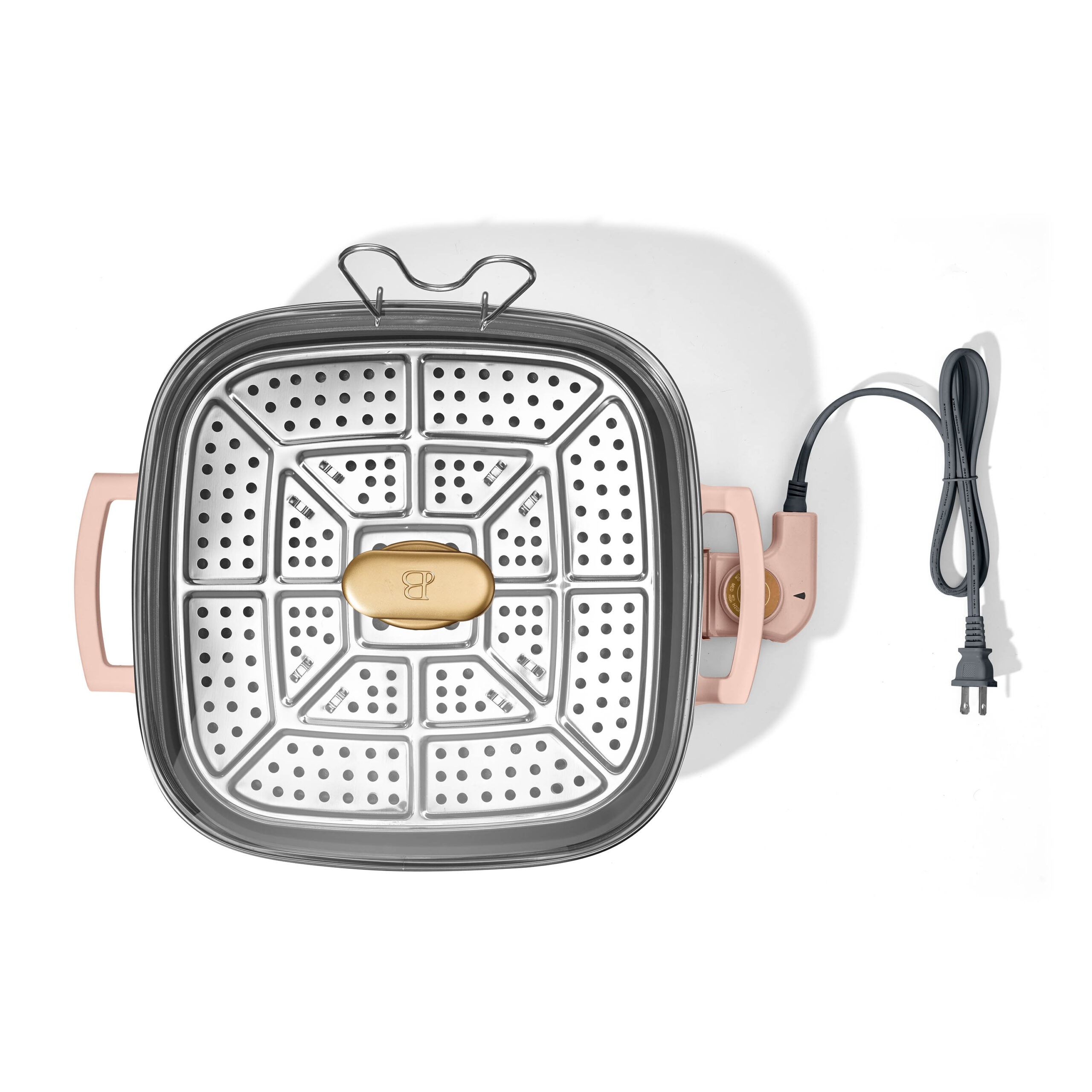
An electric skillet is a self-contained cooking appliance featuring a heating element integrated into its base, allowing for consistent and adjustable temperature control. Its standalone nature means it frees up valuable stovetop space and can be used virtually anywhere there’s an electrical outlet. This versatility makes it ideal for everything from a quick breakfast scramble to a full-course family dinner.
The Core Technologies and Features That Define Excellence
The mark of a best rated electric skillet often lies in its technological advancements and thoughtful design. These features aren’t mere add-ons; they are critical components that ensure optimal performance and user satisfaction.
- Precise Temperature Control: This is perhaps the most crucial feature. High-quality electric skillets offer a wide temperature range, typically from warm (around 150°F) up to searing hot (400-450°F), with fine-tuned adjustments. This allows for everything from gently simmering sauces to achieving a perfect crust on meats.
- Even Heat Distribution: Hot spots are the bane of any cook. The top-tier skillets utilize advanced heating elements and sturdy construction materials, often aluminum or cast iron, to distribute heat uniformly across the entire cooking surface. This ensures food cooks evenly, preventing burnt edges and undercooked centers.
- Durable Non-Stick Coating: A superior non-stick surface, usually PFOA-free, is vital for both cooking and cleaning. It prevents food from sticking, requires less oil, and makes cleanup a breeze. Durability here means it can withstand repeated use and scrubbing without peeling or degrading.
- Sturdy Construction and Materials: The overall build quality contributes significantly to a skillet’s longevity and performance. Heavy-gauge aluminum or stainless steel with an encapsulated base are common in models praised for their robust nature.
- Vented, Tempered Glass Lid: A transparent lid allows you to monitor cooking progress without releasing heat, while a vent prevents steam buildup, reducing condensation and ensuring crispy results when desired. Tempered glass adds durability and safety.
Choosing the Right Electric Skillet: A Buying Guide
Navigating the options for an electric skillet can feel overwhelming, but focusing on a few key factors will guide you toward the perfect fit for your cooking style and household needs. When searching for the best rated electric skillet, consider these aspects carefully.
What Size Electric Skillet Do I Need?
The capacity of your electric skillet is paramount.
- Small (6-8 inches): Ideal for single servings, small apartments, or reheating leftovers.
- Medium (10-12 inches): Perfect for couples or small families, handling most everyday meals.
- Large (14-16 inches or rectangular): Best for larger families, entertaining, or preparing big batches of food. Think about potlucks, pancake breakfasts for a crowd, or roasting a small chicken.
What Material is Best for an Electric Skillet?
The cooking surface material directly impacts heat retention, durability, and cleaning ease.
- Aluminum: Lightweight, heats quickly and evenly, often with a non-stick coating. Very popular for its balance of performance and cost.
- Cast Iron: Excellent for heat retention and searing, but heavier and requires more maintenance. Often comes pre-seasoned.
- Stainless Steel: Durable and non-reactive, but typically requires more oil to prevent sticking unless it has a non-stick coating.
- Ceramic: Often touted as a “greener” non-stick option, it provides a very smooth surface but can sometimes be less durable than other non-stick coatings over time.
Why is Temperature Control So Important?
As culinary engineer Dr. Evelyn Reed notes, “The true mark of a best rated electric skillet lies in its consistent heat distribution and robust build, ensuring every meal is cooked to perfection and the appliance stands the test of time.” Look for models with clearly marked temperature dials and, ideally, an indicator light that shows when the desired temperature has been reached and is being maintained. Some advanced models even feature digital displays for pinpoint accuracy.
What About the Lid and Handles?
A tight-fitting lid is essential for simmering, steaming, and keeping food warm. Look for a lid with a comfortable handle that stays cool to the touch. Similarly, ensure the main handles of the skillet are heat-resistant and ergonomically designed for safe transport, especially when the skillet is full.
Maximizing Your Electric Skillet’s Potential: Tips and Tricks
Once you’ve chosen your best rated electric skillet, knowing how to use it effectively will unlock its full culinary power.
- Preheat Properly: Just like a conventional pan, preheating your electric skillet to the desired temperature before adding food is crucial for even cooking and preventing sticking. Wait for the indicator light to signal readiness.
- Don’t Overcrowd: Cooking too much food at once lowers the skillet’s temperature and can lead to steaming instead of browning. Cook in batches if necessary.
- Use Appropriate Utensils: Always use wooden, silicone, or heat-resistant plastic utensils to protect the non-stick coating and extend its life.
- Experiment with Recipes: From stir-fries and fajitas to pancakes, stews, and even roasting small cuts of meat, the electric skillet is incredibly versatile. Don’t be afraid to adapt your favorite stovetop recipes.
- Utilize the Warm Setting: Many electric skillets have a “warm” setting, perfect for keeping food at serving temperature during meals or while waiting for latecomers.
Popular Dishes You Can Effortlessly Create
The versatility of an electric skillet means a world of delicious possibilities. Here are just a few ideas:
- Hearty Breakfasts: Fluffy pancakes, crispy bacon, scrambled eggs, or a full English breakfast.
- One-Pan Dinners: Chicken and vegetable stir-fries, flavorful paella, savory jambalaya, or classic pot roasts.
- Comfort Food: Creamy macaroni and cheese, gooey grilled cheese sandwiches, or a comforting batch of meatballs.
- Desserts: Large skillet cookies, apple fritters, or even deep-dish pizzas.
Keeping Your Skillet Pristine: Cleaning and Maintenance
Proper care ensures your best rated electric skillet remains a cherished kitchen companion for years.
How Do I Clean an Electric Skillet?
Most modern electric skillets have immersion-safe bases or completely detachable cords, making cleaning straightforward.
- Unplug and Cool: Always unplug the skillet and allow it to cool completely before cleaning.
- Remove Excess Food: Scrape off any leftover food with a non-abrasive spatula.
- Hand Wash (Recommended): For best results and to protect the non-stick coating, hand wash with warm, soapy water and a soft sponge or cloth. Avoid abrasive cleaners or scouring pads.
- Dishwasher Safe? Some models specify dishwasher-safe components (usually just the skillet body, not the heating element). Always check your user manual.
- Clean the Lid: Wash the lid separately in warm, soapy water or place it in the dishwasher if it’s rated as such.
- Wipe Down Exterior: For the exterior housing or heating element base (if not immersion-safe), wipe it down with a damp cloth and mild soap, then dry thoroughly.
How Can I Extend the Life of My Electric Skillet?
- Store Properly: Ensure the skillet is completely dry before storing it. Store it in a cabinet where it won’t get scratched by other pots and pans. You might place a paper towel or soft cloth between the skillet and other items.
- Avoid Metal Utensils: As mentioned, these can damage the non-stick surface.
- Don’t Overheat Empty: Avoid preheating the skillet to very high temperatures when empty for extended periods, as this can degrade the non-stick coating over time.
- Regular Cleaning: Don’t let food residues sit for too long, as they can become harder to remove and potentially stain the surface.
Frequently Asked Questions About Electric Skillets
Q: Is an electric skillet better than a regular frying pan?
A: An electric skillet offers consistent and precise temperature control, freeing up stovetop space, and can be used for a wider range of cooking tasks beyond just frying, often with better heat distribution than a basic stovetop pan.
Q: Can you boil water in an electric skillet?
A: Yes, many electric skillets can boil water, making them convenient for tasks like blanching vegetables or making pasta, especially if your stovetop is occupied.
Q: Are electric skillets energy efficient?
A: Generally, yes. Because they are self-contained and heat directly, they can be more energy-efficient than heating a conventional pan on a large stovetop burner, especially for specific tasks.
Q: What is the ideal temperature for frying in an electric skillet?
A: For most frying, temperatures between 350°F and 375°F (175°C to 190°C) are ideal. Lower temperatures might make food greasy, while higher temperatures can burn the exterior before the interior is cooked.
Q: Can an electric skillet replace multiple kitchen appliances?
A: While it may not replace all appliances, a best rated electric skillet can certainly substitute for a frying pan, slow cooker, griddle, and even some baking dishes, making it a highly versatile tool for smaller kitchens or for freeing up space.
The Electric Skillet Advantage
From searing steak to simmering a hearty stew, the best rated electric skillet is a testament to how intelligent design can profoundly impact our daily cooking routines. It offers a unique blend of precision, versatility, and convenience that few other kitchen appliances can match. By understanding its features, caring for it properly, and embracing its wide range of capabilities, you’re not just buying a cooking tool; you’re investing in a more efficient, enjoyable, and delicious culinary future. So, go ahead, explore the possibilities, and let your electric skillet inspire your next great meal!