Welcome to ElectricSkilletPro, where we dive deep into the world of electric kitchen appliances to help you make the best choices for your culinary adventures. Today, we’re tackling a fascinating, albeit somewhat elusive, topic: the cast iron electric skillet. It’s a phrase that sparks curiosity for many home cooks, promising the robust durability and superior heat retention of cast iron married with the convenience and precise control of an electric appliance. But does such a perfect union truly exist in your kitchen? Let’s peel back the layers and discover the reality behind this intriguing concept.
At first glance, the idea of a cast iron electric skillet seems like a dream come true. Imagine searing steaks to perfection, achieving that coveted crust, all while maintaining a consistent temperature without hovering over a stovetop. Or perhaps you envision slow-simmering stews, benefiting from cast iron’s ability to hold heat for extended periods, infused with the natural richness it imparts to food. This desire for the “cast iron electric skillet” truly reflects a longing for the best of both worlds, and it’s a conversation worth having. While a true, mainstream electric skillet made entirely of traditional cast iron remains a niche product, understanding what drives this desire helps us explore the incredible options available to elevate your cooking.
|
Our Picks for the Best Electric Skillet in 2026
As an Amazon Associate I earn from qualifying purchases.
|
||
| Num | Product | Action |
|---|---|---|
| 1 | Nuwave Medley XL Digital Electric Skillet, Family Size Griddle w/Glass Lid, 2025 New & Improved Precision Heating, 100°-425°F, PFAS Free G11 Nonstick Ceramic Coating, Portable Hot Plate, 7qt Capacity |

|
| 2 | Amazon Basics Electric Skillet and Frying Pan with Glass Lid, Nonstick Ceramic Coating, 12 x 12 inches, Black |
|
| 3 | Audecook Hot Pot Electric, 2.5L Portable Nonstick Multicooker for 1-3 Persons, Honeycomb Texture Travel Electric Skillet with Dual Power Temperature Control for Steak/Egg/Noodles/Oatmeal (Black) |
|
| 4 | BELLA Electric Ceramic Titanium Skillet, Roast, Fry and Steam, Healthy-Eco Non-stick Coating, Convenient Easy Clean Up, Glass Lid Included, 12\" x 12\", Copper/Black |
|
| 5 | COSTWAY 39.5” Electric Griddle, Extra Large Teppanyaki Grill with 2 Nonstick Surfaces, Adjustable Temperature, Insulated Handles & Drip Tray, Indoor Outdoor BBQ Grill for Party, Camping & RV (39.5\'\') |
|
| 6 | bella Make & Take Electric Skillet, Fits-anywhere™ kitchenware, EverGood™ Ceramic Coating, Adjustable Temperature & Dishwasher-Safe Tempered Glass Lid, Cast Aluminum Base, 1200 Watt, Plum |
|
| 7 | Blue Diamond 7QT 5-in-1 Extra Large Electric Skillet, Healthy Ceramic Nonstick Interior, Non-Toxic PFAS-Free, Temperature Control, Stay Cool Handles, Easy Clean, Graphite |
|
| 8 | Elite Gourmet EG-6203# Extra Deep 16\"x13\"x3.2\" (10.5Qt.) Scratch Resistant, Easy Pour Spout Dishwasher Safe, Non-stick Electric Skillet with Glass Vented Lid, Adjustable Temperature, Black |
|
| 9 | Presto 07117 12\" Electric Skillet with glass cover |
|
| 10 | bella Make & Take Electric Skillet, Fits-anywhere™ kitchenware, EverGood™ Ceramic Coating, Adjustable Temperature & Dishwasher-Safe Tempered Glass Lid, Cast Aluminum Base, 1200 Watt, Seaglass |
|
Understanding the Allure of Cast Iron Cookware
Cast iron has earned its revered status in kitchens worldwide for centuries, and for good reason. Its unique properties offer a cooking experience unlike any other, fostering a loyal following among chefs and home cooks alike.
What Makes Cast Iron Special?
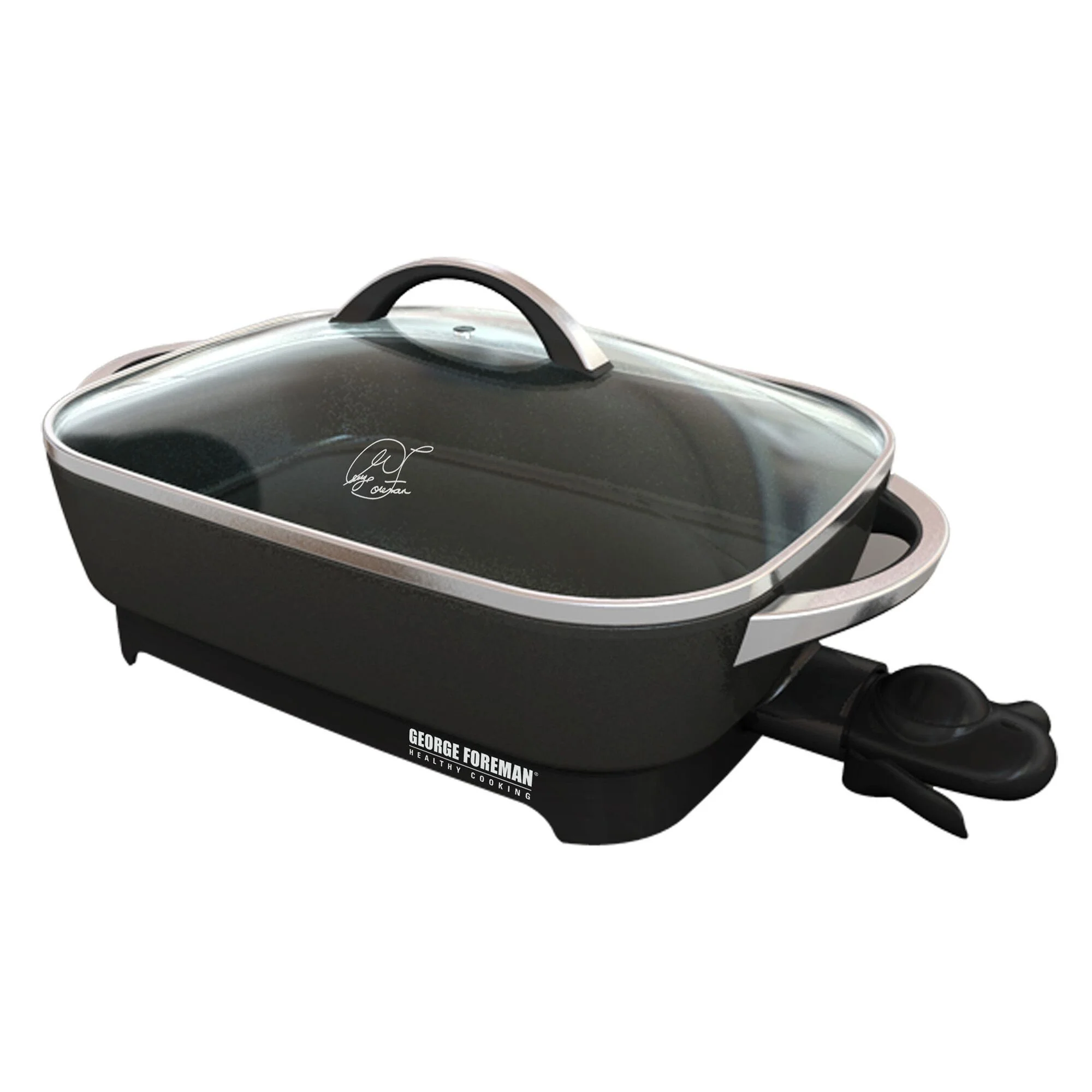
One of cast iron’s most celebrated attributes is its superior heat retention and even cooking. Once heated, cast iron holds its temperature remarkably well, distributing it consistently across the cooking surface. This characteristic is invaluable for searing meats, frying, and even baking, ensuring every inch of your food cooks uniformly without drastic temperature drops when ingredients are added.
Beyond its thermal prowess, cast iron boasts unmatched durability and longevity. These pans are practically indestructible and, with proper care, can last for generations, becoming cherished family heirlooms. Unlike many modern non-stick coatings that degrade over time, cast iron actually improves with age and use. Its natural non-stick properties develop through a process called seasoning, creating a smooth, slick surface that makes cooking and cleaning a breeze.
The versatility across heat sources is another significant advantage. A traditional cast iron skillet can go from stovetop (gas, electric, induction) to oven, over a campfire, or even on a grill, making it incredibly adaptable for various cooking tasks. Moreover, cooking with cast iron can even provide a slight boost in iron intake for your diet, as tiny amounts of the metal can leach into food.
The Art of Seasoning and Care
Proper seasoning is the heart of cast iron care. This process involves baking thin layers of oil onto the pan’s surface, which polymerizes to create a protective, non-stick layer. Most modern cast iron skillets come pre-seasoned, ready for immediate use. However, regular re-seasoning is key to maintaining its performance and preventing rust.
Cleaning is simpler than many imagine. Avoid harsh soaps (though modern dish soaps are generally fine) and abrasive scrubbers that can strip the seasoning. Instead, use hot water, a stiff brush, or a chainmail scrubber, followed by thorough drying and a light coat of oil. “The secret to a happy cast iron skillet is consistent use and gentle care,” advises Chef Anya Petrova, a renowned culinary expert with years of experience in kitchen gadgetry. “Think of seasoning as building character; each meal cooked adds to its story and performance.”
The Convenience and Precision of Electric Skillets
Moving from the timeless appeal of cast iron, let’s consider the modern marvel that is the electric skillet. These appliances have carved out a vital space in the kitchen, offering unparalleled convenience and precise control, making them indispensable for everyday cooking and entertaining.
Why Cooks Love Electric Skillets
The standout feature of electric skillets is their consistent, controlled temperature. Unlike stovetop pans that can experience hot spots, electric skillets maintain an even heat distribution across their entire surface thanks to integrated heating elements and adjustable thermostats. This precision is fantastic for delicate tasks like frying eggs or pancakes, where consistent heat prevents burning and ensures uniform cooking.
Electric skillets also offer remarkable portability and extra cooking space. They operate independently of your main stove, freeing up burners during busy meal prep or providing an additional cooking surface for large gatherings. Their generous capacity often allows you to cook larger batches of food than a standard stovetop pan. From stir-frying to simmering, deep-frying, or keeping food warm buffet-style, their versatility for various cooking methods is a major draw. Plus, many models boast easy cleanup with non-stick coatings and removable components that are often dishwasher-safe (once the heating probe is detached).
The Quest for the Cast Iron Electric Skillet: Reality vs. Expectation
So, if both cast iron and electric skillets offer such compelling benefits, why isn’t the market flooded with “cast iron electric skillets”?
Why True Cast Iron Electric Skillets Are Rare
The reality is, a true, traditional cast iron skillet with an integrated electric heating element is exceptionally rare in mainstream retail. The primary reasons boil down to manufacturing challenges and consumer preferences. Integrating heating elements directly and efficiently into a heavy, solid cast iron body is complex and costly. Cast iron also takes longer to heat up due to its density, which could lead to a less responsive electric appliance. Most electric skillets are made from aluminum, often with a non-stick coating, because it heats up quickly and is lighter, making it more practical for the form factor of an electric appliance. The few “cast iron electric griddles” that exist are often coated or specialized commercial units, rather than the raw, seasoned cast iron cherished by purists.
What if You Want the Best of Both Worlds?
If you’re dreaming of the “cast iron electric skillet” experience, you’re likely seeking particular qualities: the exceptional searing capability, the even heat, and the steady temperature. Here’s how you can achieve similar results:
- High-Quality Electric Skillets with Searing Power: Look for electric skillets made with heavy-duty cast aluminum (which offers good heat conduction) and high wattage (1500W or more) that can reach high temperatures (400°F+). Some premium electric skillets are designed to deliver a crusty sear comparable to cooking in cast iron.
- Traditional Cast Iron on Electric/Induction Stovetops: If precise temperature control is your main goal, using a well-seasoned cast iron skillet on a quality electric or induction cooktop is an excellent alternative. Induction cooktops, in particular, pair beautifully with cast iron due to its magnetic properties, offering rapid and precise heating.
- Enameled Cast Iron Skillets: These skillets offer the heat retention of cast iron without the need for traditional seasoning. While not electric, they provide an easy-to-clean, non-stick surface and work on all stovetops and in the oven, making them a versatile option.
Choosing the Right Skillet for Your Kitchen
When navigating the world of skillets, whether electric or traditional, consider what truly matters for your cooking style.
Consider Your Cooking Style
Are you primarily searing and frying? Or do you need an appliance for slow simmering, buffet warming, or extra cooking space? Your answers will guide your choice. For the unmatched searing and durability, a traditional cast iron skillet is hard to beat. For consistent, controlled heat and convenience, a well-regarded electric skillet is a fantastic investment.
Key Features to Look For
- Size and Capacity: Electric skillets come in various sizes (e.g., 11-inch to 16-inch), suitable for singles to large families. Traditional cast iron offers similar versatility in pan diameters.
- Material: For electric, look for heavy-cast aluminum with durable non-stick coatings. For traditional, consider pre-seasoned cast iron or enameled cast iron for lower maintenance.
- Temperature Control: A precise and adjustable thermostat is crucial for electric skillets.
- Lid and Handles: A clear glass lid helps monitor cooking, and sturdy, heat-resistant handles are always a plus. For electric skillets, ensure handles are comfortable and stay cool.
- Ease of Cleaning: Dishwasher-safe components (after removing the heating probe for electric skillets) or easy-wipe non-stick surfaces simplify cleanup.
Popular Dishes to Master with Your Skillet
No matter which skillet you choose, a world of delicious possibilities awaits!
- Searing Steaks and Chops: Achieve a beautiful, caramelized crust and juicy interior.
- Frying Chicken: Get that crispy, golden-brown perfection.
- One-Pan Meals: From hearty scrambles to sautéed vegetables and sausages, everything cooks in one vessel.
- Pancakes and Breakfast Foods: Electric skillets excel at uniform browning for fluffy pancakes, French toast, and crispy bacon. Cast iron, once hot, also creates exceptional breakfast fare.
- Simmering and Braising: Electric skillets with lids are perfect for slow-cooking stews and braises. Cast iron’s heat retention makes it ideal for these too, especially in the oven.
Expert Insights on Cookware Selection
“In my 15 years working with kitchen appliances, I’ve seen countless innovations,” says Chef Anya Petrova. “When people ask about a ‘cast iron electric skillet,’ what they’re often truly asking for is uncompromising performance combined with ease of use. My advice? Don’t get fixated on a single product type. Instead, understand the core benefits you seek. If it’s incredible searing, a well-loved cast iron pan and a good induction burner might be your answer. If it’s hands-off, even heating for family meals, a high-wattage electric skillet is a champion. The best tool is always the one that empowers your cooking.”
Frequently Asked Questions
Are cast iron electric skillets readily available?
True, traditional cast iron electric skillets are not common in the market. Most electric skillets are made of aluminum with non-stick coatings, while cast iron skillets are typically used on external heat sources.
Can I achieve cast iron results with a regular electric skillet?
You can get very close! Look for heavy-duty electric skillets with high wattage and precise temperature control. These can often achieve excellent searing and even cooking, mimicking many of cast iron’s benefits.
How do I maintain a traditional cast iron skillet?
Maintain a traditional cast iron skillet by regular seasoning, which involves applying thin layers of cooking oil and heating the pan. After cooking, clean with hot water and a stiff brush, then dry thoroughly and apply a light oil coat.
What are the benefits of enameled cast iron?
Enameled cast iron offers superb heat retention like traditional cast iron but doesn’t require seasoning. It’s also easier to clean, often dishwasher-safe, and comes in a variety of attractive colors.
Is an electric skillet worth it?
Absolutely! An electric skillet provides consistent, controlled heating, extra cooking space, and portability, making it incredibly versatile for everything from frying and sautéing to simmering and keeping food warm.
The Perfect Pan for Your Culinary Journey
The quest for the “cast iron electric skillet” highlights a universal desire among cooks: to find tools that deliver exceptional results with maximum convenience. While a direct combination of these two kitchen powerhouses might be rare, the spirit of what it represents—durability, superior cooking performance, and precise control—is alive and well in today’s cookware. By understanding the unique strengths of both traditional cast iron and high-quality electric skillets, you can confidently choose the best tools to sear, simmer, and sauté your way to culinary success. Explore, experiment, and enjoy the delicious journey your perfect pan will take you on.