In the ever-evolving landscape of kitchen appliances, the electric skillet has steadfastly held its ground as a versatile and indispensable tool. Among its many iterations, the stainless steel electric skillet stands out, offering a blend of timeless durability and modern convenience that appeals to both seasoned chefs and eager home cooks. As a professional with over 15 years in the electric kitchen appliance industry and a content creator for ElectricSkilletPro, I’ve seen countless trends come and go, but the appeal of stainless steel endures.
This isn’t just about cooking; it’s about investing in a piece of equipment that brings efficiency, reliability, and culinary excellence to your countertop. Let’s dive deep into why the stainless steel electric skillet might just be the workhorse your kitchen has been waiting for.
|
Our Picks for the Best Electric Skillet in 2026
As an Amazon Associate I earn from qualifying purchases.
|
||
| Num | Product | Action |
|---|---|---|
| 1 | Elite Gourmet EG-6203# Extra Deep 16\"x13\"x3.2\" (10.5Qt.) Scratch Resistant, Easy Pour Spout Dishwasher Safe, Non-stick Electric Skillet with Glass Vented Lid, Adjustable Temperature, Black |

|
| 2 | Audecook Hot Pot Electric, 2.5L Portable Nonstick Multicooker for 1-3 Persons, Honeycomb Texture Travel Electric Skillet with Dual Power Temperature Control for Steak/Egg/Noodles/Oatmeal (Black) |
|
| 3 | Nuwave Medley XL Digital Electric Skillet, Family Size Griddle w/Glass Lid, 2025 New & Improved Precision Heating, 100°-425°F, PFAS Free G11 Nonstick Ceramic Coating, Portable Hot Plate, 7qt Capacity |
|
| 4 | Blue Diamond 7QT 5-in-1 Extra Large Electric Skillet, Healthy Ceramic Nonstick Interior, Non-Toxic PFAS-Free, Temperature Control, Stay Cool Handles, Easy Clean, Graphite |
|
| 5 | COSTWAY 39.5” Electric Griddle, Extra Large Teppanyaki Grill with 2 Nonstick Surfaces, Adjustable Temperature, Insulated Handles & Drip Tray, Indoor Outdoor BBQ Grill for Party, Camping & RV (39.5\'\') |
|
| 6 | BELLA Electric Ceramic Titanium Skillet, Roast, Fry and Steam, Healthy-Eco Non-stick Coating, Convenient Easy Clean Up, Glass Lid Included, 12\" x 12\", Copper/Black |
|
| 7 | Amazon Basics Electric Skillet and Frying Pan with Glass Lid, Nonstick Ceramic Coating, 12 x 12 inches, Black |
|
| 8 | bella Make & Take Electric Skillet, Fits-anywhere™ kitchenware, EverGood™ Ceramic Coating, Adjustable Temperature & Dishwasher-Safe Tempered Glass Lid, Cast Aluminum Base, 1200 Watt, Plum |
|
| 9 | bella Make & Take Electric Skillet, Fits-anywhere™ kitchenware, EverGood™ Ceramic Coating, Adjustable Temperature & Dishwasher-Safe Tempered Glass Lid, Cast Aluminum Base, 1200 Watt, Seaglass |
|
| 10 | Presto 07117 12\" Electric Skillet with glass cover |
|
The Electric Skillet: A Modern Kitchen Essential
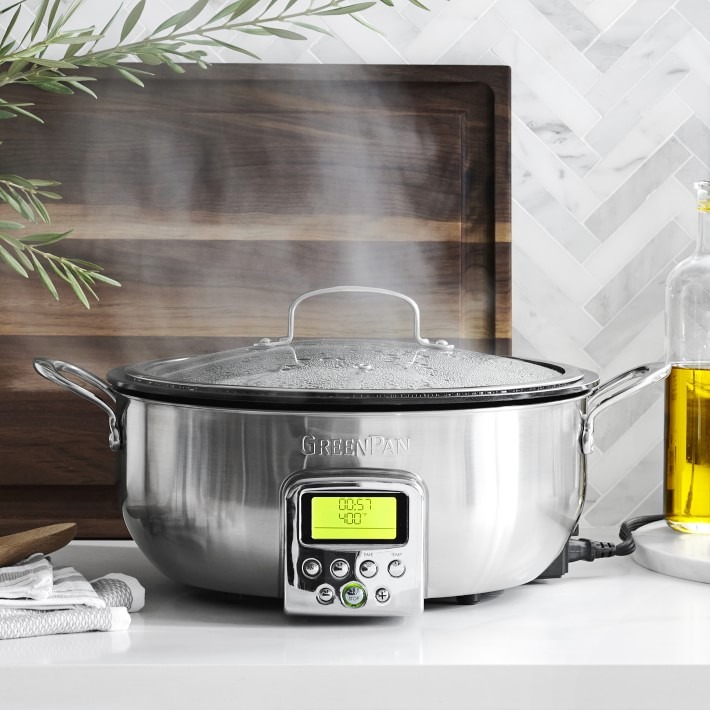
Imagine expanding your cooking capacity without needing an extra burner, or keeping your perfectly cooked dish warm for guests right on the buffet. That’s the magic of an electric skillet. It’s a portable, self-contained heating unit that offers precise temperature control, making it a powerful ally for everything from a quick weeknight stir-fry to a hearty holiday feast. Its ability to maintain consistent heat distribution across its surface is often superior to traditional stovetop pans, especially on electric coil cooktops, providing a truly even cooking experience.
Unpacking the Allure: Features and Technology of Stainless Steel Electric Skillets
When we talk about stainless steel, we’re discussing a material celebrated for its robustness. A stainless steel electric skillet takes these inherent qualities and integrates them into a highly functional appliance.
Durability and Longevity
One of the primary reasons to opt for a stainless steel model is its incredible resilience. Stainless steel is renowned for being highly resistant to rust, staining, and corrosion, ensuring your skillet remains a kitchen staple for years, if not decades. Unlike some other materials, it can withstand high cooking temperatures without warping or degrading, which is a common issue with lesser-quality cookware.
Non-Reactive Surface
A significant advantage of stainless steel is its non-reactive nature. This means you can confidently cook acidic ingredients like tomato sauces, lemon curds, or wine-based reductions without the worry of metallic flavors leaching into your food. Your dishes will taste exactly as intended, preserving their authentic flavor profiles.
Superior Heat Management
While pure stainless steel alone isn’t the best heat conductor, quality electric skillets featuring stainless steel typically incorporate clad construction. This involves layers of more conductive metals like aluminum or copper sandwiched between stainless steel. This multi-ply design ensures rapid heating and exceptionally even heat distribution across the entire cooking surface, eliminating frustrating hot spots. The integrated heating element directly in the base of an electric skillet further enhances this, often heating faster than a standard pan on a stovetop burner.
Aesthetic Appeal
Let’s be honest, a good-looking appliance adds joy to the kitchen. Stainless steel offers a sleek, polished, and professional aesthetic that complements almost any kitchen decor. Many models are designed elegantly enough to go straight from the cooking station to the serving table, making them perfect for buffets or family gatherings.
Precise Temperature Control
Electric skillets come with an adjustable temperature probe that allows for exact heat settings, from a gentle “warm” to a high sear, often exceeding 450°F. This precision is crucial for delicate dishes and critical for achieving perfect browning without burning.
Navigating Your Choices: How to Select the Right Stainless Steel Electric Skillet
Choosing the perfect stainless steel electric skillet isn’t just about grabbing the first one you see. It’s about matching the appliance to your specific culinary needs and lifestyle.
Size and Capacity
Electric skillets come in various sizes, typically ranging from 11 to 16 inches in diameter, with capacities from small (e.g., 6-inch compact models for singles) to oversized (e.g., 7-quart rectangular skillets for large families). Consider how many people you typically cook for and the type of dishes you’ll prepare. A larger capacity is excellent for batch cooking or family meals, while a compact one is perfect for smaller portions or limited kitchen space.
Interior Surface: Pure Stainless or Non-Stick Stainless?
This is a critical distinction. Some high-end electric skillets boast a stainless steel exterior with a premium non-stick coating on the interior cooking surface. Brands like All-Clad and Cuisinart offer such models, providing the durability of stainless steel with the easy release of a non-stick surface. If you prefer to avoid traditional non-stick coatings, some models offer a pure stainless steel cooking surface, embracing the traditional benefits and learning curve of stainless steel.
Material Composition (Cladding)
For pure stainless steel cooking surfaces, look for multi-ply (e.g., 3-ply or 5-ply) clad construction, often with aluminum or copper cores. These layers are vital for efficient and even heat conductivity, compensating for stainless steel’s inherent limitations as a solo conductor.
Temperature Range and Controls
Ensure the skillet offers a broad temperature range, from a “warm” setting (ideal for serving) to a high searing temperature (400-450°F or more). Digital controls can offer even greater precision, though reliable dial controls are also excellent.
Ease of Cleaning
Look for models where the skillet body and lid are fully immersible and often dishwasher safe, once the electrical probe is removed. This greatly simplifies cleanup.
Mastering the Heat: Effective and Safe Use of Your Stainless Steel Electric Skillet
The stainless steel electric skillet performs best when you understand its unique characteristics. The biggest “trick” is mastering temperature control and preventing food from sticking.
The Art of Preheating
This is perhaps the most crucial step for non-stick cooking on stainless steel. Always allow your skillet to preheat properly before adding any oil or food. A good indicator is the Leidenfrost effect: when a few drops of water dance and glide across the hot surface before evaporating. This indicates the pan is hot enough and its pores have contracted, reducing sticking. Start with medium to medium-high heat.
Fat is Your Friend
Once preheated, add your cooking fat (oil or butter). Ensure the entire cooking surface is lightly coated. The oil should shimmer, but not smoke, before you add your ingredients.
Prepare Your Ingredients
Bringing food to room temperature (about 15 minutes out of the fridge) and patting it dry before cooking can significantly reduce sticking. Excess moisture can lower the pan’s temperature and promote sticking.
Don’t Overcrowd the Pan
Cooking in batches might seem slower, but it’s key to success. Overcrowding lowers the pan’s temperature, leads to steaming instead of searing, and makes food more likely to stick and cook unevenly.
Patience for the Perfect Sear
When searing meats or other proteins, resist the urge to move them prematurely. Allow a crust to form; the food will naturally release from the pan when it’s ready to be flipped. This creates that desirable “fond” – the flavorful browned bits that stick to the bottom, which can then be deglazed to make incredible sauces.
Utensil Choices
While pure stainless steel is durable enough for metal utensils, if your electric skillet has a non-stick coating (even if it’s over stainless steel), always opt for wooden, silicone, or heat-safe plastic utensils to protect the surface.
Culinary Adventures: Dishes to Master with Your Electric Skillet
The versatility of a stainless steel electric skillet opens up a world of culinary possibilities. It’s not just for breakfast; it’s a true multi-tasker!
- Searing and Browning: Achieve a beautiful, deep crust on steaks, chicken breasts, pork chops, and fish.
- Sautéing: Perfect for vegetables, mushrooms, and quick stir-fries, offering ample space and even heat.
- Frying: From crispy fried chicken to delicate tempura, the consistent oil temperature control is a game-changer.
- Simmering and Braising: Ideal for stews, chilis, pot roasts, and sauces that require long, gentle cooking. The tight-fitting lid helps retain moisture and flavor.
- Breakfast Favorites: Fluffy pancakes, crispy bacon, scrambled eggs, and French toast cook beautifully and evenly.
- One-Pan Meals: Roasts with vegetables, casseroles, and pasta dishes can be effortlessly prepared and even served directly from the skillet.
- Keeping Warm: Utilize the “warm” setting to hold food at serving temperature for parties or family meals, making it an excellent portable buffet server.
- Steaming: Some models come with a steaming rack, allowing you to steam vegetables, dumplings, or fish.
Preserving Its Shine: Cleaning and Maintenance for Your Stainless Steel Electric Skillet
To ensure your stainless steel electric skillet remains a gleaming and efficient workhorse for years to come, proper cleaning and maintenance are key.
The Basics: Cool Down, Unplug, and Hand Wash
Always, always unplug your electric skillet and allow it to cool completely before cleaning. This prevents warping and ensures safety. For general cleaning, use warm, soapy water and a non-abrasive sponge or cloth. Gently wipe the interior and exterior, paying attention to any food residue or grease.
Tackling Stubborn Stains and Burnt-On Food
Don’t despair over sticky situations!
- Baking Soda Paste: For tougher stains or burnt-on food, sprinkle baking soda onto the affected area, add a little water to form a paste, and let it sit for a few minutes before gently scrubbing with a damp sponge.
- Boiling Method: Fill the skillet with water (covering the stubborn bits), add a few tablespoons of baking soda (and optionally white vinegar or lemon halves for extra power), bring to a boil, and let it simmer for about 10-15 minutes. Once cooled, the residue should be much easier to remove.
- Vinegar for Discoloration: If you notice rainbow-like “heat tint” discoloration, simply wipe it with a cloth dampened with white vinegar.
Drying and Polishing
After washing, rinse thoroughly to remove all soap residue and dry the skillet immediately with a soft cloth to prevent water spots. For an extra shine, you can use a stainless steel cleaner or polish, buffing in circular motions.
Dishwasher Safety
Many modern stainless steel electric skillet bodies and lids are dishwasher safe once the temperature probe and control unit are removed. Always check your product manual for specific instructions, but hand washing is generally recommended to prolong the appliance’s lifespan.
Common Questions About Stainless Steel Electric Skillets
Q: Why does food stick to my stainless steel electric skillet?
A: Food often sticks due to improper preheating or insufficient fat. Ensure the skillet is fully preheated (using the water droplet test) and use enough oil or butter. Also, avoid overcrowding the pan and allow food to release naturally before flipping.
Q: Are stainless steel electric skillets truly non-stick?
A: Not inherently. Pure stainless steel surfaces require proper technique and fat to prevent sticking. However, many “stainless steel electric skillets” feature a durable non-stick coating on the cooking surface, housed within a stainless steel body. Always check the product description for clarification.
Q: Can I use metal utensils in my stainless steel electric skillet?
A: If your skillet has a pure stainless steel cooking surface, metal utensils are generally fine. However, if it has a non-stick coating (even on a stainless steel body), use wooden, silicone, or heat-safe plastic utensils to avoid scratching the coating.
Q: How do I remove burnt food from my stainless steel electric skillet?
A: After cooling, soak the skillet in warm soapy water. For stubborn burnt-on food, create a paste of baking soda and water, apply it, and let it sit before scrubbing. Alternatively, boil water with baking soda and/or white vinegar in the skillet, then clean.
Q: What’s the benefit of a stainless steel electric skillet over a non-stick one?
A: A stainless steel electric skillet (especially one with a pure stainless steel interior) offers superior durability, won’t scratch or peel like non-stick coatings, and allows for excellent searing and fond development for richer sauces. While non-stick offers easier food release, stainless steel provides unmatched longevity and versatility for advanced culinary techniques.
Conclusion: Embrace the Power of Stainless Steel
The stainless steel electric skillet is more than just a kitchen appliance; it’s a long-term investment in quality cooking. Its robust construction, precise temperature control, and inherent versatility make it an invaluable asset for creating a vast array of dishes, from quick meals to elaborate feasts. Yes, there’s a slight learning curve to master the non-stick aspects of pure stainless steel, but the rewards – perfectly seared proteins, rich pan sauces, and an appliance built to last – are well worth the effort. So, plug in, preheat, and prepare to elevate your cooking game.