Step into almost any modern kitchen today, and you’re likely to find a countertop appliance that’s quietly revolutionizing how we approach everyday meals: the electric skillet. But among the various options, the Best Ceramic Electric Skillet stands out as a true game-changer, blending convenience, performance, and a strong commitment to healthier cooking. If you’re looking to elevate your culinary experience with a versatile, easy-to-use, and eco-conscious appliance, understanding the nuances of ceramic electric skillets is your first, crucial step.
The Rise of Ceramic Electric Skillets in Modern Kitchens
Electric skillets have long been prized for their ability to offer an extra cooking surface, maintain precise temperatures, and simplify meal preparation, especially for larger families or entertaining. However, the recent surge in popularity of ceramic models reflects a broader shift towards healthier living and sustainable kitchen practices. Unlike traditional non-stick coatings that can contain chemicals like PTFE (Teflon) and PFOA, ceramic electric skillets boast a naturally non-stick surface derived from sand-like materials. This makes them an excellent choice for health-conscious cooks who want to avoid potential toxins without sacrificing the ease of non-stick cooking.
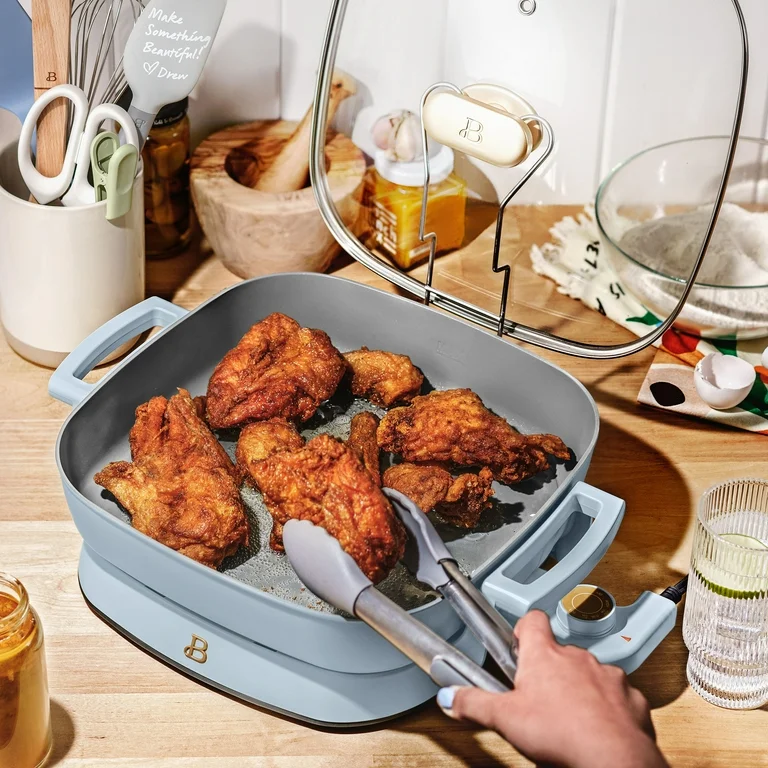
What Makes Them Special? Health and Eco-Friendliness at the Forefront
The primary allure of ceramic electric skillets lies in their health and environmental benefits. Their coatings are typically free from PTFE, PFOA, lead, and cadmium, ensuring that no harmful chemicals leach into your food, even at high temperatures. This “clean cooking” aspect offers significant peace of mind. Furthermore, the manufacturing process for ceramic coatings is often more environmentally friendly, avoiding persistent pollutants and contributing to a lower ecological footprint.
Key Features and Innovations in Ceramic Electric Skillets
When searching for the best ceramic electric skillet, you’ll encounter a range of features designed to enhance your cooking experience. These innovations are what set top-tier models apart.
The Non-Stick Coating: A Healthier Foundation
The ceramic non-stick coating is, of course, the star of the show. While some ceramic surfaces might not feel as slick as traditional PTFE coatings right out of the box, advanced ceramic formulations offer impressive food release and easy cleanup. Brands like GreenLife and GreenPan are known for their quality ceramic non-stick surfaces that are robust and perform well. It’s important to note that the non-stick properties can improve with regular use and proper care.
Even Heat Distribution for Flawless Results
One of the most critical performance indicators for any electric skillet is its ability to distribute heat evenly. Hot spots can lead to unevenly cooked food, burnt patches, and frustrating culinary outcomes. The best ceramic electric skillets feature thick, high-quality pans, often made of cast aluminum, and well-sized heating elements to minimize temperature discrepancies across the cooking surface. The Hamilton Beach Ceramic Non-Stick Electric Skillet, for instance, has been praised for its exceptional heat distribution, showing minimal temperature variations.
Durability and Construction: Built to Last
While ceramic coatings are generally hard and resistant to wear, the overall construction of the skillet contributes significantly to its longevity. Look for models with sturdy bases, durable body materials, and tempered glass lids that allow you to monitor your food without losing heat. Some premium ceramic skillets also feature comfortable, heat-safe handles that make them easy to maneuver, even when hot.
Precise Temperature Control
From a gentle “keep warm” setting to a sizzling sear, a good ceramic electric skillet should offer a wide and accurate temperature range. Dials that provide specific temperature markings, rather than just “low,” “medium,” and “high,” allow for more precise cooking. Many models can reach up to 400-450°F, ideal for various cooking tasks from simmering to searing.
Why Choose a Ceramic Electric Skillet? Unpacking the Benefits
Beyond the core features, the advantages of integrating a ceramic electric skillet into your kitchen repertoire are numerous.
Health and Safety First
As highlighted, the absence of PTFE and PFOA is a major draw. For families and individuals prioritizing a non-toxic kitchen environment, ceramic provides a safe alternative, eliminating concerns about chemical off-gassing at high temperatures.
Unmatched Versatility
An electric skillet is far more than just a frying pan. Ceramic electric skillets excel in a multitude of cooking tasks. They can fry, sauté, simmer, braise, and even deep-fry or steam, effectively acting as an extra burner, an oven, or a slow cooker. Their ability to hold a consistent temperature makes them perfect for buffet-style serving, keeping food warm without overcooking.
Effortless Cleanup
The non-stick nature of ceramic makes cleanup a breeze. Food releases easily, reducing the need for harsh scrubbing. Many ceramic electric skillets come with removable parts that are fully immersible or even dishwasher safe, significantly simplifying post-meal tidying.
Energy Efficiency and Convenience
Electric skillets are generally more energy-efficient than using a stovetop burner, as they heat up quickly and maintain temperature precisely. This also means you can cook anywhere you have an outlet, making them ideal for dorms, RVs, or for expanding your cooking capacity during holidays.
Expert Insight: What Chef Isabella Rossi Says
“In my two decades in the culinary world, I’ve seen countless kitchen gadgets come and go,” shares Chef Isabella Rossi, a renowned culinary expert specializing in modern kitchen appliances. “But the ceramic electric skillet truly stands out. Its ability to deliver consistent results while offering a non-toxic cooking surface is invaluable. For anyone seeking to cook healthier and more efficiently, it’s a must-have. It’s not just a trend; it’s a permanent fixture in the evolution of smart kitchen design.”
Your Guide to Selecting the Perfect Ceramic Electric Skillet
Choosing the best ceramic electric skillet involves considering several factors to match your cooking style and household needs.
Size Matters: From Solo Meals to Family Feasts
Electric skillets come in various sizes, typically ranging from 8 inches to 16 inches, and in different shapes like rectangular, square, or round.
- For singles or small meals: A compact 8-inch or 10-inch skillet is ideal for one-pot dishes or quick breakfasts.
- For families of 3-6: A 12-inch or 14-inch model offers enough surface area for larger batches like stir-fries or a few pancakes.
- For entertaining or large families: A 15-inch or 16-inch deep-dish skillet provides ample space for frying chicken, simmering stews, or keeping food warm for a party.
Material and Construction Quality
Beyond the ceramic coating, the base material is crucial. Cast aluminum is a popular choice for its lightweight nature and quick heating capabilities, though thicker gauges are less prone to warping. A robust, thick pan ensures better heat retention and distribution.
Temperature Control and Accuracy
Look for a skillet with a removable thermostat and clear temperature settings. A range that goes from “warm” (around 175°F) up to 400-450°F offers maximum versatility for various recipes. Precise control is key for delicate dishes and perfect searing.
Removable Base and Dishwasher Safe Features
For ultimate convenience, consider models with a detachable base and a pan that is fully immersible or, even better, dishwasher safe. This makes cleaning significantly easier and more thorough. Always verify this feature in the product description.
Cool-Touch Handles and Lids
Safety is paramount. Skillets equipped with “stay-cool” handles prevent accidental burns and allow for safe transportation from countertop to table. A sturdy glass lid with a comfortable knob is also a practical feature for monitoring cooking progress.
Mastering Your Ceramic Electric Skillet: Tips for Optimal Use
To get the most out of your best ceramic electric skillet and ensure its longevity, a few simple practices go a long way.
Preheating and Temperature Management
Ceramic heats up quickly and retains heat well.
- Start Low, Go Slow: Preheat your skillet gradually, starting on a lower setting and increasing the heat as needed. Avoid cranking it to max immediately, as this can potentially damage the coating over time and cause food to burn.
- Monitor Closely: Ceramic coatings tend to run hotter than traditional non-stick, so you might need to adjust your usual cooking temperatures or reduce cooking times. Rely on visual cues and your cooking instinct.
Using the Right Utensils
To protect the ceramic surface from scratches and ensure its non-stick properties last, always use silicone, nylon, or wooden utensils. Metal utensils, while tempting, can easily damage the delicate coating.
Cooking with Oil
While ceramic is non-stick, using a small amount of cooking oil or fat is always recommended. This not only enhances the non-stick performance but also contributes to better flavor and browning of your food. Avoid aerosol non-stick sprays, as they can build up residue and degrade the coating.
Delicious Dishes You Can Create in Your Ceramic Electric Skillet
The versatility of a ceramic electric skillet means your culinary possibilities are almost limitless.
Everyday Meals Made Easy
- Fluffy Pancakes and Crispy Bacon: The even heat distribution is perfect for golden-brown pancakes and uniformly cooked bacon.
- Perfect Eggs: Scrambled, fried, or omelets slide right off the ceramic surface with minimal effort.
- Grilled Cheese and Quesadillas: Achieve a perfect, even melt and crispy exterior.
One-Pan Wonders
- Stir-fries: The high heat capacity makes ceramic skillets excellent for quick, vibrant stir-fries, locking in flavors and textures.
- Hearty Braises and Stews: Deep-dish models are ideal for slow-cooking tender meats and rich sauces, mimicking the performance of a slow cooker.
- Casseroles: Prepare and bake casseroles directly in the skillet for a fuss-free meal.
Entertaining with Ease
- Buffet Serving: Keep appetizers, side dishes, or even main courses warm at the perfect temperature for parties and gatherings.
- Hot Pot: Some versatile models are designed for communal dining experiences like hot pot.
Care and Maintenance for Lasting Performance
Proper care is essential to maximize the lifespan and performance of your ceramic electric skillet.
Cleaning Best Practices
- Cool Down First: Always allow the skillet to cool completely before cleaning to prevent thermal shock, which can damage the ceramic coating.
- Gentle Hand Wash: Even if parts are dishwasher safe, hand washing with warm, soapy water and a soft sponge is often the best way to preserve the coating. For stubborn bits, let the pan soak for a bit before gently wiping away.
- Avoid Abrasives: Steer clear of steel wool, abrasive scrubbers, or harsh chemical cleaners, as these can scratch or degrade the ceramic surface.
Storage Tips
Protect your ceramic skillet during storage by placing a soft cloth or paper towel between the pan and other cookware. This prevents scratches and chips that can occur from stacking. If your skillet has a removable base, storing it separately can also save space.
Frequently Asked Questions about Ceramic Electric Skillets
Are ceramic electric skillets truly non-stick?
Yes, ceramic electric skillets offer effective non-stick performance, though some users find it can be slightly less slick than traditional PTFE coatings over time. Using a small amount of oil is always recommended for optimal results.
How long do ceramic electric skillets typically last?
The lifespan of a ceramic electric skillet can vary, but generally, ceramic non-stick coatings may last a few years with proper care. While more durable than traditional non-stick, they may not last as long as cast iron or stainless steel pans.
Can I use metal utensils in a ceramic electric skillet?
No, it is strongly recommended to avoid metal utensils. Always use silicone, nylon, or wooden utensils to prevent scratching and damaging the ceramic non-stick surface.
Are ceramic electric skillets dishwasher safe?
Many modern ceramic electric skillets, especially those with removable pans, are dishwasher safe. However, it’s crucial to check the specific product’s instructions, as some models may require hand washing to preserve the coating.
What temperature range should I look for?
For maximum versatility, look for a ceramic electric skillet that offers a temperature range from a low “warm” setting (around 175°F) up to at least 400-450°F for searing and frying.
Embrace the Future of Healthy Cooking
The best ceramic electric skillet is more than just a kitchen appliance; it’s an investment in healthier eating, culinary convenience, and eco-friendly practices. With its non-toxic cooking surface, even heat distribution, and remarkable versatility, it simplifies meal preparation and expands your cooking repertoire. If you’re ready to experience the joy of effortless cooking and healthier results, a ceramic electric skillet is undoubtedly a smart addition to your kitchen. Try one today and discover how it transforms your daily cooking routine!