In the bustling world of modern kitchens, the electric skillet stands out as a true workhorse, offering incredible versatility and convenience. From sizzling weeknight stir-fries to a hearty Sunday breakfast, these countertop champions make cooking a breeze. But as we become more mindful of what goes into our bodies, a critical question arises: is your electric skillet truly safe and non-toxic? As experts at ElectricSkilletPro, with over 15 years in the kitchen appliance industry, we’re here to demystify the world of non-toxic electric skillets, helping you make an informed choice for a healthier cooking journey.
The quest for a Best Non Toxic Electric Skillet isn’t just a trend; it’s a commitment to well-being. Traditional non-stick coatings, while incredibly convenient, have raised concerns over the years due to the chemicals they contain. Understanding these materials is the first step towards a safer kitchen.
What Makes an Electric Skillet “Non-Toxic”?
When we talk about “non-toxic” in the context of cookware, we’re primarily referring to the absence of specific harmful chemicals in the cooking surface. For decades, the non-stick industry relied heavily on polytetrafluoroethylene (PTFE), commonly known by the brand name Teflon, and perfluorooctanoic acid (PFOA) in its manufacturing process. These “forever chemicals” (PFAS, which include PFOA and PTFE) have been linked to various health concerns, including thyroid disease, reproductive issues, and certain cancers, especially when cookware is overheated.
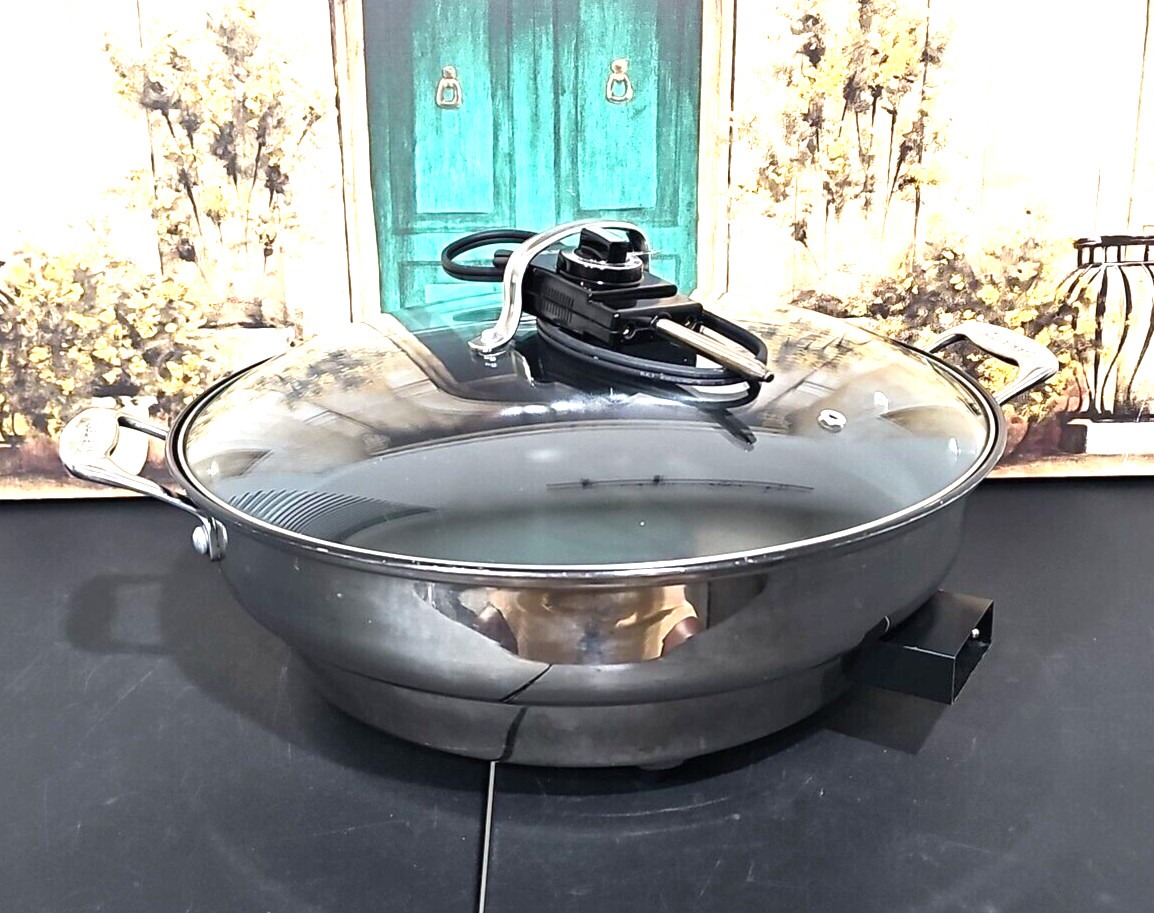
The good news is that the industry has evolved. Since 2013, PFOA has largely been phased out of non-stick cookware manufacturing. However, many consumers still seek alternatives entirely free of PTFE and other PFAS, alongside lead, cadmium, and BPA, to ensure complete peace of mind. This has led to the rise of truly non-toxic alternatives for electric skillets.
Why Avoid Certain Chemicals?
“The debate around non-stick coatings has highlighted the importance of material science in our everyday kitchen tools,” explains Dr. Anya Sharma, a culinary health expert. “Chemicals like PFOA and PFAS, even in trace amounts or when released at high temperatures, can accumulate in the body over time. Opting for truly non-toxic options eliminates this concern entirely.”
The Rise of Ceramic Non-Stick Electric Skillets
For many, ceramic non-stick is the front-runner in the search for the best non toxic electric skillet. These skillets feature a cooking surface derived from natural minerals, typically sand, and are specifically manufactured without PFAS, PFOA, PTFE, lead, or cadmium.
Benefits of Ceramic Non-Stick:
- Chemical-Free Assurance: The primary draw is the complete absence of harmful chemicals, providing a healthier cooking environment.
- Excellent Non-Stick Performance: Modern ceramic coatings offer impressive food release, making cooking and cleanup effortless. Many brands boast diamond or titanium infusions for enhanced durability.
- Even Heat Distribution: Ceramic coatings, often applied over heavy-gauge aluminum bodies, ensure uniform heat across the cooking surface for consistent results.
- High Heat Resistance (Generally Safer): Unlike traditional PTFE coatings that can degrade and release fumes above 500°F (260°C), ceramic coatings typically do not release toxic fumes even if accidentally overheated. However, extreme overheating can still damage the coating’s longevity.
Popular Non-Toxic Ceramic Electric Skillet Brands:
- GreenPan & GreenLife: Pioneers in ceramic non-stick, these brands are often lauded for their Thermolon Volt ceramic coating, free from PFAS, PFOA, lead, and cadmium. Their electric skillets are known for quick heating and versatile “5-in-1” designs (fry, sauté, bake, grill, steam).
- Hamilton Beach Durathon: Features a PFAS-free ceramic Durathon coating, often highlighted for its exceptional durability and resistance to cracking or peeling.
- BELLA XL Electric Ceramic Titanium Griddle: Offers a PFAS- and PTFE-free titanium-infused non-stick surface at a budget-friendly price point, providing good value without compromising safety.
- Elite Gourmet: Offers models with PFAS-free Ceralast ceramic non-stick interiors, noted for their scratch resistance and reliable food release, often with fully embedded heating elements for rapid, even heat.
Exploring Other Safe Materials for Electric Skillets
While ceramic has become a favorite, other materials offer excellent non-toxic cooking experiences:
Cast Iron Electric Skillets
Cast iron is a classic for a reason. When properly seasoned, it develops a natural, chemical-free non-stick surface that only improves with age.
Advantages:
- Exceptional Durability: Cast iron is built to last a lifetime, or even generations.
- Superior Heat Retention: It holds heat incredibly well, making it ideal for searing and maintaining consistent temperatures for slow cooking.
- Even Heating: While it takes longer to heat up, once hot, cast iron provides very even heat distribution.
Considerations: Cast iron requires specific care, including regular seasoning, to maintain its non-stick properties and prevent rust. It’s also significantly heavier than other options. Some electric griddles, like those from Hamilton Beach, incorporate cast iron surfaces, bringing its benefits to the electric format.
Stainless Steel Electric Skillets
Stainless steel is another excellent non-toxic choice, known for its resilience and sleek appearance.
Advantages:
- Toxin-Free: Pure stainless steel does not leach chemicals into food.
- Durability and Easy Maintenance: It’s highly resistant to scratches and corrosion, making it a long-lasting option.
- Versatility: Great for searing, browning, and deglazing.
Considerations: Stainless steel is not naturally non-stick and typically requires a bit more oil or butter to prevent food from sticking. It also needs precise temperature control to avoid sticking. While some “stainless steel” electric skillets might feature a non-stick coating for convenience, ensure it explicitly states PFAS/PFOA-free to align with non-toxic goals.
Key Features to Consider When Choosing Your Non-Toxic Electric Skillet
Choosing the best non toxic electric skillet involves more than just the coating. Here’s what an expert eye looks for:
- Temperature Control & Even Heating: Look for models with a wide temperature range, from “warm” settings for buffets to high heat for searing (up to 400-450°F). Precise, adjustable temperature probes are crucial for consistent cooking results. Rapid heating elements are a bonus for busy cooks.
- Size & Capacity: Consider your typical cooking needs. Skillets range from compact 8-inch models perfect for singles to oversized 14-inch+ surfaces or deep 7-12.5 quart capacities ideal for family meals, casseroles, or roasts.
- Ease of Cleaning: Many non-toxic electric skillets feature removable pans and tempered glass lids that are dishwasher safe (after removing the electrical probe). Some are even fully immersible for thorough handwashing. Always verify specific care instructions.
- Durability & Construction: A heavy-gauge aluminum body beneath the ceramic coating helps prevent warping and ensures even heating. Look for robust handles and a sturdy overall build.
- Versatility & Functions: Many modern electric skillets are designed for multi-functional use – frying, sautéing, baking, grilling, and steaming are common capabilities, effectively serving as a “5-in-1” appliance that can replace several traditional pans.
- Lid Type: A transparent, tempered glass lid is invaluable for monitoring your food without lifting the lid, preserving heat and moisture.
Tips for Using and Maintaining Your Non-Toxic Electric Skillet
To maximize the life and performance of your best non toxic electric skillet, proper care is key:
- Preheat Correctly: Always preheat your skillet on low to medium heat for a minute or two before adding oil or food. This ensures even cooking and helps prevent sticking.
- Use Recommended Utensils: Silicone, wood, or heat-resistant plastic utensils are best for ceramic and other non-stick surfaces to avoid scratches and prolong the coating’s life. Metal utensils should be avoided.
- Clean Gently: While some parts might be dishwasher safe, handwashing with warm, soapy water and a non-abrasive sponge is often recommended, especially for ceramic coatings, to preserve their non-stick properties. Ensure the temperature control probe is never immersed in water; wipe it with a damp cloth.
- Avoid Extreme Thermal Shock: Let your skillet cool completely before washing to prevent warping or damage to the coating.
- Storage: Store your skillet carefully to avoid scratching the cooking surface. Some models offer removable handles for compact storage.
Popular Dishes to Master with Your Non-Toxic Electric Skillet
The versatility of an electric skillet makes it perfect for a wide array of dishes:
- Breakfast Bonanza: Perfectly fluffy pancakes, crispy bacon, scrambled eggs, and golden hash browns are just the beginning. The large, even surface is ideal for cooking multiple items at once.
- Sizzling Suppers: From vibrant stir-fries with perfectly seared proteins and crisp vegetables to braised chicken and comforting casseroles, the electric skillet handles it all. It’s also fantastic for searing steaks or grilling sandwiches indoors.
- Entertaining Made Easy: Use it to keep appetizers warm for a party, like queso fundido or mini meatballs, or to serve family-style hot pot right at the table.
Expert Insights: Embracing the Healthier Kitchen
“Choosing a non-toxic electric skillet is a clear step towards a healthier lifestyle,” says Chef Julian Thorne, a culinary innovator specializing in modern kitchen appliances. “These skillets empower you to cook with fewer worries about chemical leaching, allowing the natural flavors of your ingredients to shine through. The advancements in ceramic technology, in particular, mean you don’t have to sacrifice performance for safety.”
From the pioneering efforts of brands like GreenPan to the robust endurance of cast iron, the options for a best non toxic electric skillet are diverse and impressive. The focus on eliminating harmful chemicals like PFAS and PFOA has transformed the market, giving health-conscious cooks excellent choices.
Conclusion
Embracing a non-toxic electric skillet means investing in your health without compromising on convenience or culinary excellence. You gain the peace of mind that comes from knowing your meals are prepared on a safe, chemical-free surface, combined with the power and versatility to tackle any recipe. So, whether you’re whipping up a quick breakfast or preparing a gourmet dinner, choose an electric skillet that aligns with your values for healthier living. It’s more than just a kitchen appliance; it’s a foundation for a better, more conscious cooking experience.