Step into almost any modern kitchen, and you’ll likely find a bustling hub of activity, with culinary gadgets vying for attention. Among these, the humble Electric Skillet often stands out as a true workhorse, quietly revolutionizing how we approach everyday meals and special occasions. More than just a simple frying pan, an electric skillet is a versatile, self-contained cooking marvel that brings precision, convenience, and efficiency right to your countertop.
For over 15 years, I’ve seen countless kitchen innovations, but the consistent evolution and unwavering utility of the electric skillet continue to impress me. It’s not just about frying; it’s about unlocking a world of culinary possibilities with consistent, controlled heat that can transform your cooking experience from mundane to magnificent.
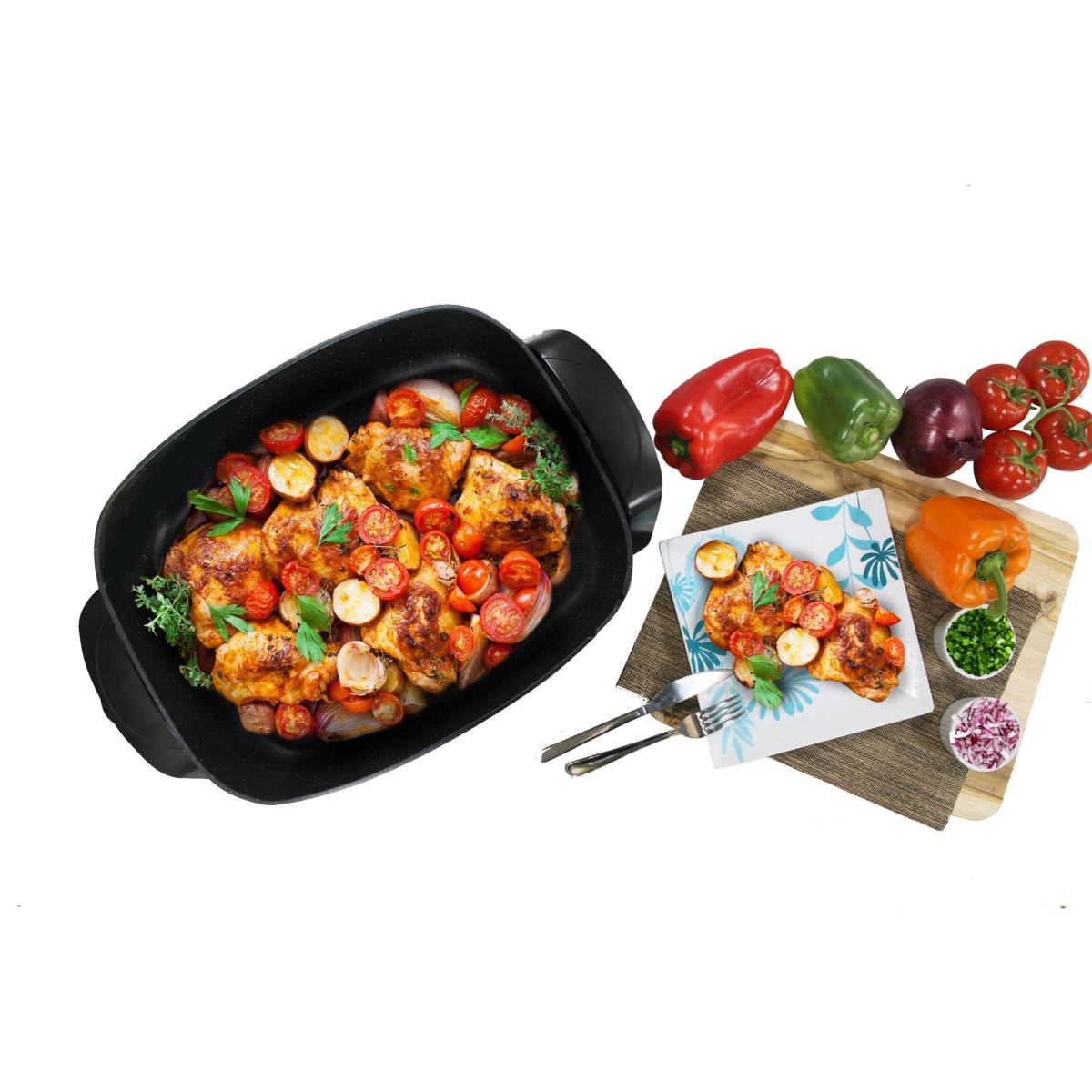
Why Every Kitchen Needs an Electric Skillet: Unlocking Culinary Versatility
An electric skillet is essentially a pan with a built-in heating element and its own temperature control, operating independently of your stovetop. This design offers a distinct advantage: unparalleled versatility.
What Makes an Electric Skillet So Indispensable?
- Precise Temperature Control: Unlike stovetop pans where heat can fluctuate, an electric skillet maintains a remarkably steady temperature. This precision is invaluable for delicate tasks like frying eggs or simmering sauces to perfection, preventing common cooking mishaps like scorching or undercooking.
- Unmatched Versatility: Don’t let the name “skillet” fool you. These appliances are culinary chameleons. They can handle everything from sautéing vegetables and frying crispy chicken to simmering hearty stews, baking a family-sized lasagna, or even deep-frying donuts. Some models are deep enough to function as mini roasters or steamers.
- Energy Efficiency: When compared to traditional electric stovetops, electric skillets typically use less energy. This can translate to lower utility bills and a cooler kitchen, especially during warmer months, as they generate less ambient heat.
- Portability & Extra Space: Imagine cooking a full breakfast spread for guests without monopolizing your stove. An electric skillet plugs into any standard electrical outlet, making it perfect for small apartments, dorm rooms, RV camping, outdoor parties, or simply as an extra cooking surface when your stovetop is full.
- Keeping Food Warm: Many models come with a “keep warm” function, making them ideal for potlucks, buffets, or family dinners where dishes are served over an extended period.
Decoding the Tech: Essential Features of a High-Performance Electric Skillet
Choosing the right electric skillet means understanding the key features that truly make a difference in performance and user experience.
What Features Should You Prioritize for Optimal Performance?
- Consistent Heat Distribution: The hallmark of a great electric skillet is its ability to heat evenly across the entire cooking surface, eliminating frustrating hot spots. Look for models designed with robust heating elements that distribute warmth uniformly.
- Advanced Temperature Control: A precise thermostat control, often ranging from 200°F to 400°F, is essential for versatile cooking. Indicator lights that signal when the desired temperature is reached and maintained are incredibly helpful, preventing overheating and ensuring perfect results. Automatic shut-off features are also a significant safety advantage.
- Durable Non-Stick Surfaces: A high-quality non-stick coating is crucial for easy food release and hassle-free cleanup. Ceramic coatings are often favored for being PFOA- and PTFE-free, offering a safer and more environmentally friendly option. Marble-coated cookware is another rising alternative. A damaged non-stick surface can be a health concern, so gentle care is paramount.
- Thoughtful Design Elements:
- Glass Lids: Allow you to monitor cooking progress without lifting the lid, preserving heat and moisture.
- Cool-Touch Handles: Essential for safe transport, especially when moving hot food from kitchen to table. Textured handles provide a more secure grip.
- Removable Temperature Control Probe: This feature is a game-changer for cleaning, as it often means the skillet itself (once the probe is removed) can be immersed in water or even be dishwasher-safe.
- Size and Depth Considerations: Electric skillets come in various sizes—small (6-10 inches for 1-2 people), medium (10-14 inches for 4-6 people), and large (14-16+ inches for 6-8 people or buffet serving). The depth is also important; deeper skillets are better for larger roasts, stews, or deep-frying.
“The magic of an electric skillet truly lies in its ability to offer consistent, controlled heat that a stovetop often can’t replicate,” says Chef Isabella Rossi, a renowned culinary expert. “For anything from a perfect sear to a slow simmer, that steady temperature control is what guarantees success, especially for home cooks looking to elevate their everyday meals.”
Choosing Your Perfect Electric Skillet: A Smart Buyer’s Guide
Navigating the options for electric skillets can feel overwhelming, but focusing on a few key aspects will help you find your ideal match.
What Factors Should Guide Your Electric Skillet Purchase?
- Size Matters: Consider your typical cooking needs. Are you cooking for one or two, a family of four, or large gatherings? Match the skillet’s cooking surface area to your lifestyle to avoid unnecessary bulk or insufficient capacity.
- Material Matters: Most electric skillets feature a coated cast aluminum base, but stainless steel options are also available. Stainless steel is exceptionally durable and considered very safe, though food can stick more easily if not properly preheated and oiled. Ceramic-coated aluminum offers a balance of durability, non-stick performance, and safety, especially if it’s PFOA-free. A pan thickness of more than 2mm generally provides more even and stable heat.
- Temperature Range & Controls: Look for a model with a wide temperature range and an accurate, easy-to-read thermostat. The ability to precisely set and maintain specific temperatures is paramount for diverse cooking tasks.
- Safety Features: Always prioritize safety. Features like cool-touch handles, a well-fitting lid, automatic shut-off, and proper ventilation are non-negotiable for safe and enjoyable cooking.
- Ease of Cleaning: A removable temperature probe that allows the pan to be fully immersed in water or placed in a dishwasher (check manufacturer instructions!) will significantly simplify cleanup. Non-stick surfaces also inherently make cleaning easier.
Mastering Your Electric Skillet: Tips for Optimal Use and Safety
Getting the most out of your electric skillet involves understanding a few best practices. With proper technique, you’ll consistently achieve fantastic results.
How Can You Use Your Electric Skillet Effectively and Safely?
- Setup and Preheat: Always place your electric skillet on a flat, stable, heat-resistant surface, like a kitchen countertop, and ensure it’s plugged into a dedicated electrical outlet. For best results, allow the skillet to preheat to your desired temperature before adding food. The indicator light will usually signal when it’s ready.
- Cooking Techniques: Electric skillets excel with minimal oil or fat, especially with non-stick coatings. Use oils or butter with a high smoke point. Spread food evenly across the surface to ensure consistent cooking, and remember to turn or stir as needed.
- Temperature Management: Don’t be afraid to adjust the temperature dial during cooking. The indicator light cycling on and off is normal, indicating the skillet is maintaining your set temperature. For simmering, turn the dial down just until the light goes out.
- Safety First: Never immerse the temperature control probe in water; wipe it clean with a damp cloth and dry thoroughly. Always unplug the skillet and allow it to cool completely before cleaning or storing. Avoid letting the skillet boil dry, and use only the temperature control probe supplied with your unit to prevent fire or electric shock.
Beyond Frying: Delicious Dishes You Can Make in an Electric Skillet
The electric skillet’s versatility truly shines when you explore the vast array of dishes it can handle. It’s a game-changer for everything from quick weeknight meals to impressive party spreads.
What Are Some Popular Dishes You Can Easily Cook in an Electric Skillet?
- Breakfast Delights: Whip up fluffy pancakes, perfectly fried eggs, crispy bacon, or savory hash browns. You can even make French toast or a full English breakfast without crowding your stovetop.
- Hearty Dinners: The electric skillet is perfect for family favorites like golden-brown fried chicken, tender pot roasts, one-pan spaghetti, or a comforting meatloaf. It’s also ideal for stir-fries, fajitas, and even hearty lasagna, allowing you to sear, simmer, and bake all in one pan.
- Unexpected Treats: Don’t limit your electric skillet to savory dishes! Many models are excellent for baking. Imagine making an oven-less pizza, delicious fudge, or even a banana cake or bread pudding right on your countertop. For dessert, oatmeal cookies or deep-fried apple fritters are easily achievable.
“My electric skillet saved Thanksgiving last year! With all stove burners full, I used it to keep my mashed potatoes warm and even fried a last-minute batch of green bean casserole topping. It was a lifesaver!”
Longevity and Luster: Cleaning and Maintaining Your Electric Skillet
Proper cleaning and maintenance are key to extending the life of your electric skillet and ensuring it performs beautifully for years to come. Neglecting it can lead to flavor transfer, reduced performance, and even safety risks.
How Can You Best Clean and Maintain Your Electric Skillet?
- Immediate Post-Cook Care: The golden rule for cleaning an electric skillet is to always unplug it and allow it to cool completely before you start. Attempting to clean a hot skillet is not only dangerous but can also warp the cooking surface.
- Gentle Cleaning Techniques: For everyday cleaning, wipe the cooking surface with a soft sponge or cloth and warm, soapy water. For stubborn food particles, you can create a paste of baking soda and water, apply it to the affected area, let it sit for a few minutes, and then gently scrub it off with a non-abrasive sponge. Soaking the skillet in warm soapy water for a short period can also help loosen stuck-on food.
- Dealing with Grease Buildup: For greasy residues, a solution of equal parts white vinegar and water can work wonders. Spray or apply the mixture, let it sit to break down the grease, then wipe clean with a damp cloth.
- Crucial Don’ts:
- Do NOT immerse the electrical components (especially the temperature control probe) in water, as this can cause severe damage. Always remove the probe before cleaning and wipe it with a damp cloth, ensuring it’s completely dry before reattaching.
- Avoid abrasive cleaners, steel wool, or metal utensils, as these will scratch and damage the non-stick coating, compromising its effectiveness and potentially releasing harmful substances into your food. Stick to soft sponges, plastic scrubbing brushes, or microfiber towels.
- Periodic Maintenance: Some non-stick surfaces can benefit from periodic “seasoning”—applying a thin layer of cooking oil and heating it on low for a few minutes. This helps maintain the non-stick properties over time.
Frequently Asked Questions About Electric Skillets
Q1: Can I deep fry in an electric skillet?
A1: Yes, many electric skillets, especially deeper models, are perfectly suitable for deep-frying. Their precise temperature control makes them excellent for maintaining the consistent oil temperature needed for perfectly crispy results, whether you’re making fried chicken or doughnuts.
Q2: Are electric skillets energy efficient?
A2: Absolutely. Electric skillets are generally more energy-efficient than using a traditional stovetop because they only heat the cooking surface directly and often have lower wattage requirements. This can lead to lower energy consumption and a cooler kitchen environment.
Q3: What’s the best non-stick coating for an electric skillet?
A3: Ceramic and marble coatings are highly recommended for electric skillets as they offer excellent non-stick properties and are often free from PTFE and PFOA, making them a safer and more environmentally conscious choice. Always check product specifications for details on coatings.
Q4: How do I clean burnt food from my electric skillet?
A4: For stubborn burnt food, first ensure the skillet is unplugged and completely cool. Then, try making a paste with baking soda and a little water, apply it to the burnt area, let it sit for a bit, and gently scrub with a non-abrasive sponge or plastic brush. Soaking in warm soapy water can also help.
Q5: Can I put my electric skillet in the dishwasher?
A5: It depends on the model. Many electric skillets with removable temperature control probes are designed to be fully immersible and, in some cases, dishwasher-safe once the probe is detached. However, always consult your specific manufacturer’s instructions, as immersing electrical components can cause severe damage.
Elevate Your Everyday with an Electric Skillet
The electric skillet is far more than just another appliance; it’s a versatile, efficient, and user-friendly tool that can significantly enhance your cooking capabilities and simplify your kitchen routine. From its precise temperature control and energy efficiency to its portability and wide range of cooking applications, an electric skillet stands ready to tackle almost any culinary challenge. So, whether you’re a seasoned chef or a home cook looking for a convenient upgrade, embracing the electric skillet can truly transform your cooking experience. I encourage you to explore its potential and discover the effortless joy of modern cooking with this indispensable kitchen hero.