Stepping into a modern kitchen, you’ll find a myriad of appliances designed to simplify cooking, but few boast the quiet versatility and consistent performance of the humble Electric Skillet Pan. Often overlooked, this countertop powerhouse is a game-changer for home cooks and seasoned chefs alike, offering unparalleled control and convenience that can truly transform your culinary routine. Whether you’re a beginner finding your footing or an experienced cook seeking an extra edge, understanding the full potential of an electric skillet pan is key to unlocking a world of effortless, delicious meals.
The Electric Skillet Pan: Your Kitchen’s Underrated Hero
At its core, an electric skillet pan is a self-contained cooking unit, complete with its own heating element and thermostat. Unlike a traditional frying pan that relies on stovetop burners, this appliance plugs directly into an outlet, providing precise and consistent heat across its entire cooking surface. This fundamental difference is what elevates it from a mere pan to an indispensable kitchen companion.
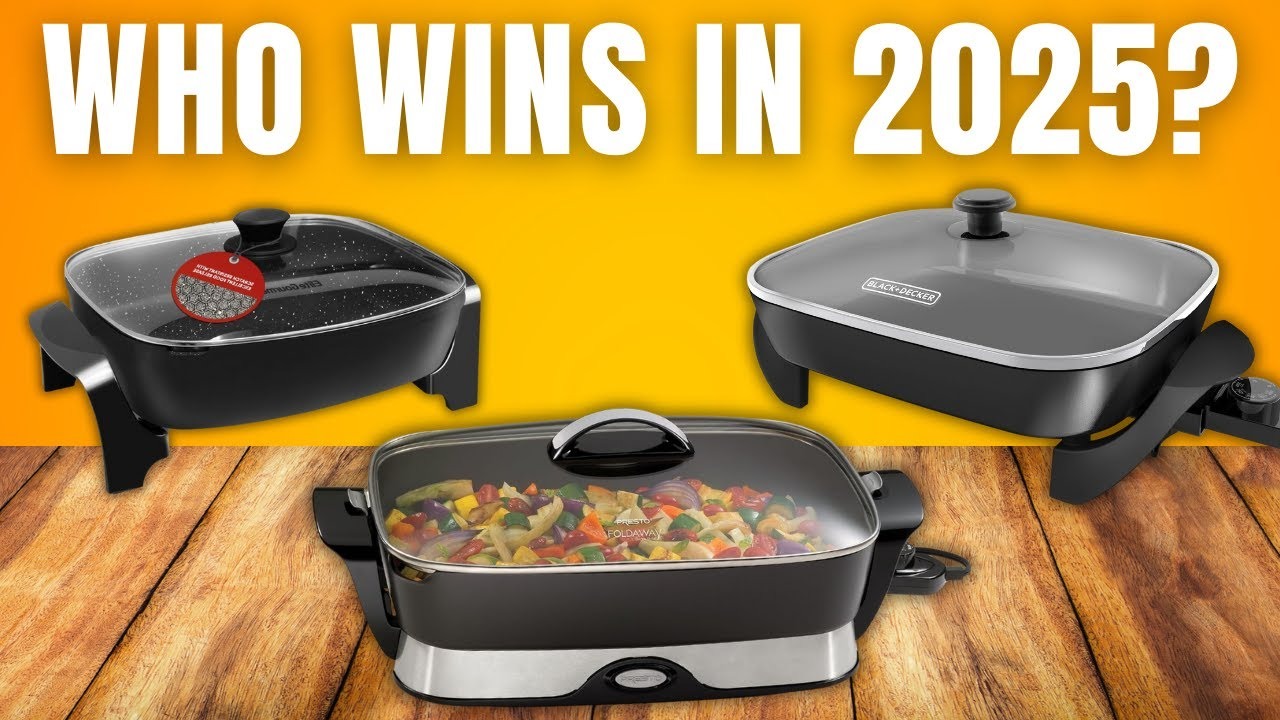
“The consistent heat distribution of an electric skillet pan is its secret weapon,” explains Chef Liam O’Connell, a seasoned culinary expert with decades of experience in kitchen innovation. “No more hot spots or unevenly cooked food. It’s about taking the guesswork out of temperature control and letting you focus on the art of cooking.”
The benefits are immediate and tangible:
- Consistent Heat Distribution: Achieve perfectly browned pancakes, evenly seared steaks, and uniformly cooked stir-fries every time. This precision prevents burning in one area while another remains undercooked, a common challenge with stovetop cooking.
- Portability: Free yourself from the stovetop! An electric skillet pan can be used anywhere there’s an outlet – ideal for potlucks, dorm rooms, RVs, or simply keeping food warm on a buffet table.
- Extra Cooking Space: When your stovetop burners are all occupied, an electric skillet pan provides that much-needed additional cooking surface, allowing you to manage larger meals or multiple dishes with ease.
- Energy Efficiency: Many models operate at a lower wattage than a full electric stove, potentially reducing your energy consumption, especially for smaller meals.
- Temperature Control: From a gentle “keep warm” setting to a sizzling sear, the adjustable thermostat offers a wide range of temperatures, typically from 200°F to 450°F, making it suitable for a vast array of cooking techniques.
Beyond the Burner: Key Features and Technology
Modern electric skillet pans come packed with features designed to enhance your cooking experience. Understanding these aspects will help you choose the best electric skillet pan for your specific needs.
Precise Temperature Control
One of the defining features is the ability to set and maintain an exact temperature. Many models offer a variable-temperature knob with specific degree ranges, while simpler ones provide low, medium, and high settings. This control is crucial for delicate tasks like simmering sauces or slow-cooking, as well as high-heat searing.
Advanced Non-Stick Coatings
The majority of electric skillet pans feature non-stick surfaces, making both cooking and cleanup a breeze. Look for durable coatings like ceramic or titanium-infused options, which are often PFAS- and PTFE-free, appealing to those who prefer to cook with non-toxic materials. These coatings ensure food slides off easily and minimize the need for excessive oil.
Size and Capacity
Electric skillet pans vary widely in size and depth, catering to different household needs. Compact 8-inch models are perfect for singles or small meals, while oversized 14-inch to 16-inch pans can accommodate family-sized stir-fries, multiple pancakes, or even a holiday roast. Depth is also a factor, with deeper pans being ideal for braising, simmering, and one-pot meals.
Construction Materials
Common materials include lightweight aluminum for quick heating, or sturdy stainless steel for enhanced durability and a more elegant aesthetic. The body of the pan often features cool-touch handles for safe transport, even when hot.
Thoughtful Lids
Most electric skillet pans come with tempered glass lids. These allow you to monitor your cooking progress without lifting the lid, effectively trapping heat and moisture to lock in flavors and prevent splatters. Some lids even have steam vents.
Safety First Features
Modern designs often incorporate safety elements like magnetic power cords that detach easily to prevent accidental spills, cool-touch handles for safe handling, and sometimes even automatic shut-off functions for peace of mind.
Finding Your Perfect Match: A Comprehensive Buying Guide
Choosing the right electric skillet pan can feel overwhelming with so many options available. Here’s what to keep in mind to ensure you make an informed decision that perfectly suits your kitchen and cooking habits.
Consider Your Household Size and Cooking Needs
Start by assessing who you cook for and what you’ll primarily be making.
- For singles or small households (1-2 people): A 8- to 10-inch electric skillet pan is often sufficient.
- For families (3-5 people): A 12- to 14-inch model offers a good balance of capacity and counter space.
- For entertaining or large batch cooking: Opt for an oversized 16-inch electric skillet pan or one with a deeper, more generous capacity (5-7 quarts).
Prioritize Even Heat Distribution and Precise Temperature Control
These are the hallmarks of a high-performing electric skillet pan. Look for models praised for their minimal temperature variance across the cooking surface, ideally less than 5.9%. A clear temperature dial, often ranging from 200°F to 450°F, with specific degree markings, offers superior control over basic low-medium-high settings.
Look for Durability and Non-Stick Quality
A robust non-stick coating, such as ceramic or titanium-infused, will make your life much easier. Ensure it’s durable and, if preferred, free from PFOA and PFAS. A thick, high-quality pan base, often cast aluminum, will contribute to better heat retention and overall longevity.
Ease of Cleaning and Storage Solutions
Life is too short for difficult cleanup! Many electric skillet pans feature removable cooking inserts that are dishwasher-safe, while others require hand washing. “Even if it’s dishwasher-safe, I always recommend handwashing to extend the life of the non-stick coating,” advises Chef O’Connell. Look for detachable temperature probes and power cords, as these significantly simplify both cleaning and storage. Some innovative designs even feature foldaway bases, allowing the pan to nest for compact storage.
Wattage
Most electric skillet pans range from 1000 to 1800 watts. Higher wattage generally means faster heating and better heat recovery, especially important for searing.
Mastering Your Electric Skillet Pan: Usage Tips for Culinary Success
Using an electric skillet pan effectively is all about understanding its unique capabilities. With a few simple tips, you’ll be cooking like a pro in no time.
Preheating and Temperature Settings
Always preheat your electric skillet pan to the desired temperature before adding food. This ensures even cooking and prevents sticking.
- Low Heat (200°F – 250°F): Perfect for simmering sauces, slow-cooking stews, braising meats, and keeping food warm without overcooking.
- Medium Heat (300°F – 375°F): Ideal for browning, frying, and sautéing. This is your go-to for pancakes, eggs, and general pan-frying.
- High Heat (375°F – 450°F+): Best for searing meats and high-heat stir-fries, achieving that desirable crispy crust.
“Think of your electric skillet as an extension of your stovetop, but smarter. The key is to dial in the temperature precisely and let the pan do its magic,” says Chef O’Connell. “Adjust as you go – if something is browning too fast, lower the heat. It’s all about responsiveness.”
Safe Practices
- Utensil Choice: Always use wooden, silicone, or plastic utensils to avoid scratching the non-stick coating, which can degrade its performance and longevity.
- Placement: Ensure your electric skillet pan is placed on a stable, heat-resistant surface, away from other appliances or flammable materials.
- Avoid Deep Frying: While electric skillets are excellent for frying, most models are not designed for deep frying due to their shallower sides and the risk of oil splatter or fire hazards if hot oil contacts electrical components. Always check your manual for oil capacity limits.
Versatile Cooking Techniques
Your electric skillet pan is a culinary chameleon, ready for a wide range of cooking styles:
- Sautéing: Heat oil on medium, add your ingredients, and stir until tender-crisp. Perfect for vegetables, garlic, and onions to build flavor.
- Frying: From crispy fried chicken to golden-brown hash browns, the consistent heat makes frying a breeze.
- Simmering: The low-temperature setting is fantastic for developing rich flavors in stews, chilies, and pasta sauces.
- Braising: Sear your meat, then add liquid and cover to slow-cook to tender perfection. Look for deeper models for this technique.
- “Baking”: With a tight-fitting lid, some electric skillets can even bake simple items like cornbread, cakes, or pizza, offering a stovetop baking experience. Always consult your specific model’s manual.
Whip Up a Storm: Popular Dishes to Create
The possibilities with an electric skillet pan are truly endless. Here are some popular dishes that shine when cooked in this versatile appliance:
Breakfast Bliss
- Fluffy Pancakes & French Toast: The large, even surface is ideal for cooking multiple pancakes or slices of French toast simultaneously, ensuring consistent golden-brown results.
- Crispy Bacon & Eggs: Cook bacon to your desired crispness, then use the residual fat to fry eggs, hash browns, or breakfast sausages.
- Omelets & Frittatas: The consistent heat and non-stick surface make rolling or flipping omelets a dream, and frittatas cook through beautifully.
One-Pan Dinners
- Stir-Fries: With high heat and ample space, an electric skillet pan mimics a wok, creating perfectly cooked stir-fries with ease.
- Hearty Braises & Stews: From pot roast to chicken cacciatore, the ability to sear and then slow-simmer makes it perfect for tender, flavorful one-pot meals.
- Fried Chicken: Achieve that coveted crispy exterior and juicy interior by maintaining a steady frying temperature.
- Skillet Lasagna or Casseroles: Layer ingredients and bake (or “stovetop bake”) a delicious lasagna or casserole directly in the pan.
Entertaining Made Easy
- Keeping Food Warm: The “warm” setting is invaluable for buffets or large gatherings, ensuring your dishes stay at the perfect serving temperature.
- Party Appetizers: Cook large batches of meatballs, queso fundido, or hot dips right at the table.
- Burgers & Grilled Cheese: Cook for a crowd without heating up your kitchen.
Unexpected Culinary Adventures
- Ovenless Pizzas: Achieve a crispy crust and melted cheese by cooking your pizza with the lid on, trapping the heat to create an oven-like environment.
- Desserts: Experiment with skillet brownies or cookies for a fun, easy treat.
Keeping It Pristine: Cleaning and Maintenance for Longevity
Proper care of your electric skillet pan is crucial for maintaining its performance and extending its lifespan. A clean pan not only looks better but also prevents flavor transfer and ensures safe cooking.
Immediate Cleaning After Cooling
Always allow your electric skillet pan to cool completely before attempting to clean it. Unplug the unit and remove the temperature probe and power cord.
Understanding Your Model
- Dishwasher-Safe Parts: Many modern electric skillet pans have removable cooking inserts and lids that are dishwasher-safe. Even so, handwashing is often recommended to preserve the non-stick coating.
- Non-Immersible Pans: For models where the cooking surface is permanently attached to the base, never submerge the entire unit in water. Instead, use a damp cloth or sponge to wipe down the interior and exterior. Ensure no water gets into the electrical connector opening.
Cleaning Agents and Techniques
- Soft Sponge and Mild Soap: For everyday cleaning, a soft sponge or dishcloth with warm, soapy water is usually sufficient. Gently wipe down all surfaces.
- Baking Soda Paste for Stubborn Stains: For burnt-on food or stubborn residue, create a paste with equal parts baking soda and water. Apply it to the affected area, let it sit for 15-30 minutes, then gently scrub with a non-abrasive pad.
- Avoid Abrasives: Never use metal scrubbers, steel wool, or harsh abrasive cleaners, as these can easily damage the non-stick coating.
Proper Storage
Once thoroughly cleaned and dried, store your electric skillet pan in a dry place. If it has detachable parts, store them together to avoid misplacing components. Some foldaway models are designed for ultra-compact storage. Covering the pan can help prevent dust accumulation.
Frequently Asked Questions About Electric Skillet Pans
Q1: Can I bake in an electric skillet pan?
A1: Yes, many electric skillet pans can be used for “baking” simple items like cornbread, cakes, or even pizzas, thanks to their consistent heat and tight-fitting lids. Always refer to your specific model’s manual to confirm recommended uses.
Q2: Are electric skillet pans energy efficient?
A2: Generally, yes. Electric skillet pans often have a lower wattage than a full stovetop burner, making them a more energy-efficient option for preparing smaller meals or when you need an extra cooking surface without heating up your entire kitchen.
Q3: What’s the ideal temperature for frying in an electric skillet?
A3: For most frying tasks, a medium heat setting between 300°F and 375°F is ideal. Thinner foods might require a slightly higher temperature, while thicker items like burgers benefit from a slightly lower setting to ensure they cook through before browning too much.
Q4: How do I prevent food from sticking?
A4: To prevent food from sticking, always preheat your electric skillet pan to the desired temperature before adding ingredients, and ensure you use a good quality non-stick pan. Using a small amount of oil or cooking spray can also help, and always use non-metal utensils.
Q5: Is it safe to leave food in an electric skillet to keep warm?
A5: Yes, most electric skillet pans have a “keep warm” setting (typically around 175°F – 200°F) designed specifically for this purpose. This feature allows you to maintain food at a safe serving temperature for an extended period, making it excellent for entertaining.
Conclusion
The electric skillet pan is far more than just another kitchen appliance; it’s a powerful tool that brings precision, versatility, and convenience to your cooking. From perfectly seared meats and fluffy pancakes to simmering stews and unexpected baked treats, this kitchen workhorse streamlines your culinary endeavors, making healthy, delicious meals more accessible than ever. By understanding its features, choosing the right model, and following simple usage and cleaning guidelines, you’ll soon discover why the electric skillet pan is truly a hero in the modern kitchen, empowering you to cook with confidence and creativity. Embrace the power of this compact culinary marvel and elevate your home cooking experience.