Welcome to the future of effortless cooking! If you’ve been searching for a versatile kitchen workhorse that promises even heating, incredible convenience, and unbelievably easy cleanup, look no further than the non-stick electric skillet. This countertop marvel isn’t just another gadget; it’s a true game-changer, simplifying meal preparation whether you’re whipping up a quick weeknight dinner or hosting a holiday feast. As an expert with over 15 years in kitchen appliance innovation, I can tell you these skillets are engineered to transform your culinary experience, moving beyond traditional stovetop limitations to offer unparalleled control and flexibility right where you need it.
The Non-Stick Electric Skillet: A Modern Kitchen Essential
So, what exactly is a non-stick electric skillet? Imagine your favorite frying pan, but with its own built-in heating element and precise temperature control, freeing it from the stovetop entirely. This self-contained unit plugs directly into an electrical outlet, bringing consistent heat and expansive cooking space right to your countertop, dining table, or even an RV kitchen.
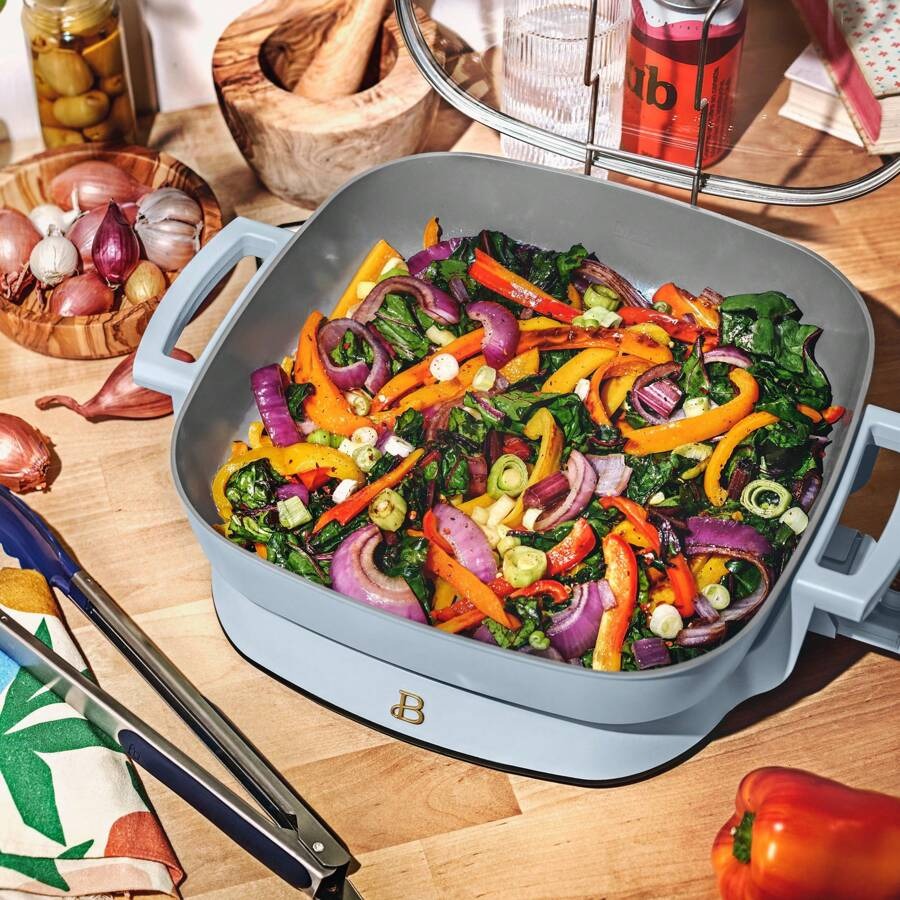
The “non-stick” aspect is where these skillets truly shine. It’s not just about convenience; it’s about healthier cooking and simpler living. A high-quality non-stick coating allows food to release effortlessly, often requiring less oil or butter, which is a win for both your diet and your dishwashing duties. Many modern non-stick electric skillets feature advanced coatings like ceramic or titanium-infused surfaces, often proudly labeled PFAS- and PTFE-free, appealing to health-conscious cooks who prioritize non-toxic materials. These materials ensure durability and ease of use, making cooking and cleanup a far more enjoyable process. Compared to traditional stovetop pans, an electric skillet offers advantages like portable convenience, precise temperature settings, and the ability to keep your kitchen cooler, especially during those sweltering summer months.
Features and Technologies Driving the Best Non-Stick Electric Skillets
Today’s non-stick electric skillets are packed with ingenious features designed to enhance your cooking. Understanding these can help you pick the perfect model for your culinary adventures.
Precise Temperature Control
What makes an electric skillet a cut above the rest? Its ability to maintain a consistent temperature, which is crucial for perfect results. Most models come with an adjustable dial, ranging from a gentle “warm” setting, ideal for keeping dishes ready for serving, to a powerful “sear” function that can reach upwards of 450°F or even 480°F for browning meats beautifully. Some advanced units even offer specialized functions or precise digital temperature markings for ultimate control.
Material and Construction
The construction of your skillet plays a huge role in its performance and longevity.
- Aluminum: Lightweight and heats up quickly, though some budget models might be more prone to warping over time.
- Stainless Steel: Offers superior durability and a sleek, premium aesthetic, often doubling as elegant serveware. All-Clad’s 7-quart stainless steel electric skillet, for instance, is renowned for its robust build and stylish appearance.
- Non-stick Coatings: Beyond the base material, the coating itself is paramount. Ceramic non-stick, often derived from sand, is a popular choice for its eco-friendly, PFAS/PFOA-free properties. Other skillets use PTFE-based non-stick (commonly known as Teflon), which is highly effective but some users prefer to avoid it. Brands like Bella offer titanium-infused non-stick surfaces that are PFAS- and PTFE-free even at an affordable price point.
Size and Capacity
Consider who you’re cooking for. Electric skillets come in various sizes, from compact 8-inch models perfect for single servings or small apartments, to expansive 16-inch pans capable of handling a holiday feast. A good sweet spot for many families falls around the 12-inch, 5-quart range. Rectangular skillets maximize cooking surface for items like multiple burgers, while deeper, round or oval shapes are excellent for stews and braises.
Convenience Features
Modern electric skillets often include thoughtful additions:
- Detachable Cords/Probes: Make cleanup and storage much easier.
- Cool-Touch Handles: Ensure safe transport, even when the skillet is hot.
- Pour Spouts: Handy for draining liquids or transferring sauces without messy drips. The Zojirushi Gourmet d’Expert, for example, features convenient pouring spouts.
- Lid Rests: Integrated lid rests prevent condensation drips on your counter.
- Dishwasher-Safe Parts: While handwashing often prolongs the life of non-stick coatings, many models now offer dishwasher-safe components for ultimate convenience.
Choosing the Perfect Non-Stick Electric Skillet for Your Needs
Selecting the ideal non-stick electric skillet is about aligning its capabilities with your lifestyle.
Consider Your Cooking Habits
Think about the typical meals you prepare and for how many people. If you’re a single individual or cooking for two, a compact 8-inch skillet might be perfect. For families or those who love to entertain, a 12-inch or 14-inch model with ample depth will be far more suitable. Do you frequently make saucy dishes or braises? Look for deeper sides. If stir-fries are your go-to, quick heating and even distribution are key.
Budget
Electric skillets are available across a wide price spectrum. You can find excellent value options that perform reliably, like the BELLA 12-Inch Nonstick Electric Skillet, or “splurge” models like the GreenPan Elite or All-Clad Stainless Steel that offer premium materials and advanced features for a higher investment. Determine what features are essential for you and set a budget accordingly.
Storage Space
These appliances can take up significant cabinet or counter space. If space is a concern, consider models with foldable bases or detachable pans that nest for compact storage, such as the Presto Foldaway Electric Skillet.
Non-Toxic Coatings
For many, the type of non-stick coating is a major deciding factor. If you’re keen to avoid chemicals like PFOA and PFAS, opt for ceramic-coated skillets or those explicitly labeled as free from these substances. The Beautiful by Drew Barrymore 5-in-1 Electric Skillet, for instance, uses PFOA- and PFOS-free non-stick.
Ease of Cleaning
This is a huge factor for any cookware. While many non-stick electric skillets have dishwasher-safe parts, handwashing with a soft sponge and mild soap is generally recommended to preserve the non-stick coating for longer. If full immersion is important, check the manufacturer’s instructions carefully, as some fully sealed models allow it after removing the temperature probe.
Unlock Culinary Versatility: What to Cook in Your Non-Stick Electric Skillet
The non-stick electric skillet is a true kitchen chameleon, capable of handling a vast array of dishes with ease.
- Breakfast Favorites: Perfect for fluffy pancakes, crispy bacon, and perfectly cooked eggs, often in larger batches than a stovetop pan.
- One-Pan Dinners: From savory stir-fries and sizzling fajitas to hearty burgers and steaks, these skillets manage it all, providing even heat for consistent cooking.
- Slow-Cooked Delights: The deep sides and precise temperature control make them ideal for braises, stews, and even classic fried chicken or creamy mac and cheese.
- Entertaining: Many models include a “warm” setting, making them invaluable for keeping appetizers hot during parties or Thanksgiving side dishes warm without monopolizing precious stovetop space.
Important Considerations:
While incredibly versatile, there are a couple of culinary tasks where an electric skillet might not be your best bet:
- Deep-Frying: Many manufacturers advise against deep-frying in electric skillets due to their wide, shallow design, which can lead to oil splatters and boil-overs. The high heat required can also damage certain non-stick finishes.
- Baking: While some recipes attempt stovetop “baking” in an electric skillet for items like cakes or cornbread, the results are often inconsistent with traditional oven baking, yielding underbaked tops and overly crusty bottoms. Always consult your skillet’s manual for recommended uses.
Care and Maintenance: Keeping Your Non-Stick Electric Skillet in Top Condition
Proper care is paramount for extending the life and maintaining the stellar performance of your non-stick electric skillet. Think of it as nurturing a trusted friend in your kitchen!
Cleaning After Each Use
The golden rule: always clean your skillet after every single use. First, unplug the skillet and let it cool down completely to prevent burns and protect the non-stick coating from thermal shock. Once cool, wipe down the cooking surface with a soft sponge or dishcloth using warm, soapy water to remove food residues and grease. This prevents food from hardening and becoming tougher to remove later.
Dealing with Stubborn Stains and Grease
Even with diligent cleaning, stubborn stains or baked-on grease can appear. For these, a simple baking soda paste (baking soda mixed with a small amount of water) can work wonders. Apply it to the stained area, let it sit for a few minutes, then gently scrub with a non-abrasive scrubber or nylon bristled brush. For greasy build-up, a solution of equal parts white vinegar and water can help dissolve the grease. Spray it on, let it sit, then wipe clean.
Proper Utensils
This is critical for non-stick longevity! Always use non-abrasive utensils made from silicone, wood, or plastic. Metal utensils can easily scratch and damage the non-stick coating, rendering it ineffective over time.
Avoiding Overheating
Resist the urge to crank the heat to maximum for extended periods. Overheating can cause the non-stick coating to deteriorate, making food more prone to sticking. Always follow the manufacturer’s recommended temperature settings for your recipes.
Safe Cleaning Practices
Most electric skillets, due to their electrical components, should never be fully submerged in water. Detachable power cords and temperature control units should always be removed first. If parts are labeled dishwasher-safe, go for it, but remember that handwashing generally prolongs the life of the non-stick coating. For non-immersible skillets, carefully wipe down the exterior with a damp cloth, taking care to avoid getting water into electrical connections.
Proper Storage
Once completely clean and dry, store your skillet in a clean, dry place. Avoid stacking heavy objects directly on the cooking surface, which can lead to scratches or damage to the non-stick coating. Some skillets even come with protective covers or storage cases.
When to Replace
Over time, even with the best care, non-stick coatings can wear down. If you notice food consistently sticking or if the coating shows significant scratches or peeling, it might be time to consider replacing your electric skillet to ensure continued non-stick performance and safe cooking.
Expert Insight: Maximizing Your Non-Stick Electric Skillet Experience
“Many home cooks are surprised by the sheer versatility an electric skillet brings to their kitchen,” shares Chef Anya Sharma, a seasoned culinary expert and product tester. “From perfectly seared scallops to a bubbling pot of chili, the consistent heat and generous capacity mean fewer batches and more time enjoying your meal. Don’t be afraid to experiment beyond the basics!”
Indeed, the value of an electric skillet extends far beyond its initial purchase. As Sarah Miller, a kitchen appliance design specialist, points out, “We’re seeing a trend towards more compact, multi-functional appliances. A well-designed non-stick electric skillet integrates precise engineering with user-friendly features, truly enhancing the cooking process for everyone, from college students in dorms to large families needing extra cooking real estate.”
Frequently Asked Questions
Q: Can I submerge my electric skillet in water for cleaning?
A: Generally, no. Most electric skillets contain electrical components that can be damaged by submersion. Always remove the power cord and temperature control unit, then follow the manufacturer’s specific instructions. Many have dishwasher-safe removable pans, but if not, handwash carefully with a damp cloth, avoiding the electrical connections.
Q: How do I restore a worn non-stick surface on my electric skillet?
A: Unfortunately, a truly worn or damaged non-stick surface cannot be fully restored to its original condition. However, you can temporarily improve its performance by ensuring it’s clean and dry, then applying a thin layer of cooking oil, heating it on low for a few minutes, allowing it to cool, and wiping off excess oil.
Q: Can I use metal utensils in my non-stick electric skillet?
A: Absolutely not. Metal utensils will scratch and damage the non-stick coating, significantly reducing its effectiveness and lifespan. Always opt for utensils made from silicone, wood, or heat-resistant plastic.
Q: What do PFAS and PTFE mean in relation to non-stick coatings?
A: PFAS (Per- and Polyfluoroalkyl Substances) are a group of synthetic chemicals, and PTFE (Polytetrafluoroethylene) is a well-known type of PFAS often used in non-stick coatings, famously known by the brand name Teflon. Many consumers now prefer “PFAS-free” or “PTFE-free” coatings, often ceramic-based, due to health and environmental concerns.
Q: Is it worth buying an electric skillet if I already have a stovetop?
A: Absolutely! An electric skillet offers supplementary cooking space, precise temperature control that can surpass a stovetop, and portability. It’s invaluable for entertaining, small kitchens, dorms, RVs, or simply when you need an extra burner for a large meal, keeping your main stove free.
Conclusion
The non-stick electric skillet is more than just a convenience; it’s an indispensable tool in the modern kitchen, empowering you to cook with greater ease, efficiency, and flexibility. From its even heating and precise temperature control to its effortless cleanup, a quality non-stick electric skillet truly earns its place on your countertop. By understanding its features, choosing wisely, and committing to proper care, you’ll unlock a world of culinary possibilities, making every meal a joy to prepare. So go ahead, explore the incredible potential of your non-stick electric skillet, and share your delicious creations with the world!