Welcome to ElectricSkilletPro! As your trusted expert in kitchen appliances with over 15 years in the field, I’m here to demystify the world of skillets for electric stoves. Electric stovetops are a staple in countless kitchens, offering sleek designs and consistent heat, but unlocking their full potential truly hinges on pairing them with the right cookware. A high-quality Skillet For Electric Stove use isn’t just about cooking; it’s about optimizing heat distribution, enhancing energy efficiency, ensuring safety, and extending the life of both your skillet and your stove.
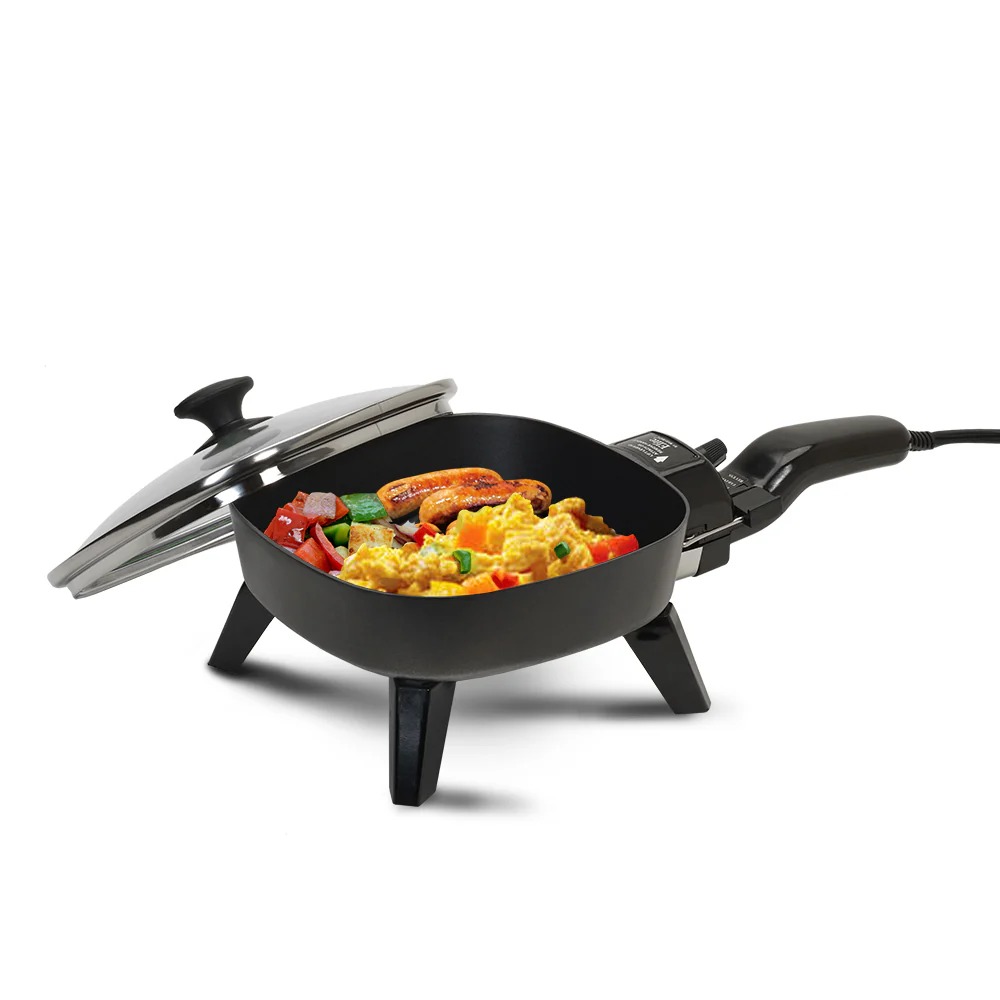
Getting this right can transform your daily cooking from a chore into a seamless culinary experience. Let’s dive deep into understanding what makes a skillet truly shine on an electric stove, helping you make an informed decision for your kitchen.
Understanding Your Electric Stove: Types and Their Demands
Before picking out your next favorite skillet, it’s crucial to understand the nuances of electric stovetops. Not all electric stoves are created equal, and their unique heating mechanisms influence your cookware choices.
What Types of Electric Stoves Are There?
You’ll typically encounter a few main types of electric stoves:
- Coil Electric Stoves: These feature visible heating coils that glow red when hot. They provide direct heat and are generally robust, but their uneven surface can sometimes pose challenges for lightweight or warped pans.
- Smoothtop Electric Stoves (Glass/Ceramic): These modern marvels have heating elements tucked beneath a sleek glass or ceramic surface. They offer a flat, easy-to-clean cooking area, but require cookware with smooth, flat bottoms to prevent scratching and ensure efficient heat transfer.
- Induction Cooktops: While often grouped with electric stoves due to their flat surfaces, induction cooktops operate on a fundamentally different principle – electromagnetic fields. They only work with “induction-ready” skillets that have a magnetic base. Though distinct, many skillets designed for traditional electric stoves also feature magnetic bases, making them versatile.
Why Skillet Compatibility Matters on Electric Stoves
Choosing the right skillet for electric stove is more than just a preference; it’s a necessity for optimal performance.
- Even Heat Distribution: Electric stoves can sometimes be prone to hot spots if your skillet doesn’t make full contact with the heating element or distribute heat efficiently. A compatible skillet ensures heat spreads uniformly across its base, leading to perfectly cooked meals every time.
- Energy Efficiency: When your skillet and stove are perfectly matched, heat transfer is maximized. This means your food cooks faster, requiring less energy and potentially lowering your utility bills. Incompatible cookware can waste energy by not absorbing heat effectively.
- Safety & Longevity: Using the wrong type of skillet, especially on a glass-top stove, can lead to serious issues like scratching, cracking, or even warping your stovetop. Proper compatibility minimizes these risks, safeguarding both your cookware and your valuable appliance.
Decoding Skillet Features: What to Look for in a Skillet for Electric Stove
When you’re on the hunt for the ideal skillet for electric stove cooking, certain features stand out as non-negotiable for superior performance and durability.
Essential Features for Optimal Performance
- Flat, Smooth Bottom: This is perhaps the most critical feature. A skillet for electric stove must have a perfectly flat and smooth base to ensure maximum contact with the heating element. This is especially vital for glass or ceramic stovetops to guarantee even heat distribution and prevent scratching.
- Medium to Heavy Weight: Lightweight pans are more prone to warping and may not sit flush on the burner, leading to uneven cooking. A medium to heavy-gauge skillet maintains better contact with the heat source, absorbs and retains heat more effectively, and provides a stable cooking surface.
- Warp-Resistant Construction: Constant heating and cooling can cause inferior cookware to warp over time. Look for skillets built with robust, warp-resistant materials and construction to ensure they remain flat and functional for years.
- Oven-Safe Materials: For added versatility, consider skillets that are also oven-safe. This allows you to start dishes on the stovetop and finish them in the oven, perfect for frittatas, searing meats, or baking skillet cookies.
Best Materials for Your Electric Stove Skillet
The material of your skillet plays a monumental role in its performance on an electric stove.
- Stainless Steel (with Aluminum or Copper Core): Often featuring an aluminum or copper core sandwiched between stainless steel layers (known as tri-ply or multi-clad construction), these skillets offer excellent heat conductivity and even distribution. Stainless steel is durable, non-reactive, and easy to clean, making it a fantastic all-around choice for a skillet for electric stove.
- Hard Anodized Aluminum: This material heats up quickly and distributes heat exceptionally well. Hard anodization creates a durable, non-stick, and scratch-resistant surface that performs admirably on both coil and smooth-top electric stoves.
- Ceramic Nonstick Coating: For those who prioritize easy food release and healthier cooking with less oil, ceramic nonstick is a superb option. Modern ceramic coatings are often PFAS-free, offering a reliable non-stick experience without concerns about traditional chemical coatings. They provide good heat conduction and effortless cleanup.
- Cast Iron (Seasoned & Smooth): Renowned for its unparalleled heat retention and even cooking, cast iron is a powerhouse. If using on a glass-top stove, ensure it’s well-seasoned with a smooth bottom to prevent scratches. Always lift, rather than slide, cast iron skillets on delicate surfaces. “A well-maintained cast iron skillet becomes an extension of the chef, offering a lifetime of culinary possibilities on any electric stovetop,” says Chef Isabella Rossi, a renowned culinary instructor.
- Carbon Steel: Combining some of the best qualities of cast iron and stainless steel, carbon steel skillets heat quickly and evenly, are lighter than cast iron, and develop a natural non-stick patina with seasoning. They’re great for high-heat searing and stir-frying on electric stovetops.
Materials and Features to Avoid
To protect your stove and ensure consistent cooking, steer clear of these:
- Curved or Warped Bottoms: Any pan that doesn’t sit flat will lead to uneven heating and frustrating cooking experiences.
- Very Lightweight Materials: Thin aluminum or flimsy stainless steel can warp easily, creating hot spots and poor performance.
- Rough or Unseasoned Cast Iron (on Glass-Tops): The abrasive texture can scratch delicate glass surfaces.
- Glass Cookware: Unless specifically designed for stovetop use, glass pans can shatter from rapid temperature changes on electric burners and often don’t conduct heat efficiently.
- Pans with Plastic Handles: High temperatures from electric coils can melt or damage plastic components not rated for high heat.
- Incorrectly Sized Pans: Using a skillet that’s too large can waste heat by extending beyond the burner, while one too small can lead to inefficient cooking.
Choosing Your Ideal Skillet for Electric Stove: A Buyer’s Guide
Selecting the perfect skillet for electric stove use involves a bit of self-reflection about your cooking habits and needs.
Matching Skillet Size to Burner Size
For maximum efficiency and safety, always try to match your skillet’s base diameter to the size of your electric stove’s burner. A skillet that’s too small for a large burner wastes energy, while one too large can cause uneven cooking and potential safety hazards by overheating nearby surfaces.
Consider Your Cooking Style
Think about the dishes you prepare most often:
- Searing: If you love to sear meats, you’ll need a skillet that can handle and retain high heat, like a well-made stainless steel or cast iron skillet.
- Simmering: For delicate sauces and slow simmers, a skillet that maintains a steady, moderate temperature and distributes heat evenly is key.
- Everyday Cooking: A versatile, ceramic-coated nonstick skillet or a tri-ply stainless steel option can handle a wide range of daily tasks, from eggs to sautéed vegetables.
Choosing a specialized electric skillet can also open up new culinary avenues, providing precise temperature control for specific dishes.
Non-Stick vs. Traditional Surfaces
The choice between non-stick and traditional (like stainless steel or cast iron) surfaces depends on your preference. Non-stick skillets are fantastic for delicate foods and easy cleanup, while traditional surfaces excel at searing and developing rich fond for sauces. Many home cooks find a combination of both ideal for a versatile kitchen.
Mastering Your Electric Skillet: Tips for Use, Cleaning, and Maintenance
Having the right skillet is just half the battle; knowing how to use and care for it on your electric stove ensures a lifetime of delicious meals.
Effective Usage Tips
- Preheat Gradually: Electric stoves, especially smooth-tops, benefit from gradual preheating. This allows the skillet to heat evenly across its entire surface, preventing hot spots and ensuring better cooking results.
- Use Lower Heat Settings: Electric burners tend to retain heat longer than gas. Often, a medium or even medium-low setting is sufficient for many tasks, saving energy and preventing scorching.
- Be Patient with Temperature Changes: Unlike gas stoves, electric burners take a moment to respond to temperature adjustments. Allow a few moments for the new heat level to stabilize before reacting.
- Stir Regularly: To account for any subtle temperature variations, especially on older coil stoves, stirring food more regularly can help achieve perfectly even cooking.
Cooking Common Dishes with an Electric Skillet
Your electric skillet is a versatile workhorse!
- For scrambled eggs or pancakes, a ceramic nonstick skillet on medium-low heat is ideal for fluffy results.
- Searing steaks or chicken benefits from the high, even heat retention of a cast iron or multi-clad stainless steel skillet.
- Stir-fries come together beautifully in a carbon steel or hard anodized aluminum skillet, offering quick, consistent heat.
Cleaning and Maintenance for Longevity
Proper care is paramount for your skillet for electric stove:
- Clean After Each Use: This prevents food buildup, which can affect cooking performance and heat transfer.
- Avoid Abrasive Cleaners: Especially for non-stick and glass-top compatible skillets, abrasive pads or harsh chemicals can damage the surface. Use warm soapy water and a soft sponge.
- Properly Season Cast Iron: If you use cast iron, consistent seasoning and oiling will maintain its non-stick properties and protect it from rust, even if it’s not strictly “necessary” for electric stove heat transfer.
- Wipe Spills Promptly: On a glass-top stove, clean up spills once the surface cools to prevent them from baking on and becoming harder to remove.
Expert Insights & FAQs
Here at ElectricSkilletPro, we believe that understanding your tools empowers your cooking.
What the Pros Say About Skillets on Electric Stoves
“The secret to mastering an electric stove lies in respecting its unique heating characteristics,” shares Mark Jenkins, a seasoned appliance engineer. “A skillet for electric stove that features a dense, flat base and a high-quality conductive material will always outperform, ensuring efficiency and preserving your stovetop’s integrity. It’s an investment in both your cooking and your kitchen’s longevity.”
Frequently Asked Questions About Electric Stove Skillets
- Q: What are the advantages of using a skillet specifically designed for electric stoves?
A: Skillets designed for electric stoves ensure optimal heat distribution for even cooking, maximize energy efficiency, reduce cooking times, and enhance safety by preventing damage to both the cookware and the stove. - Q: Can I use any skillet on an electric stove?
A: No, not all skillets are suitable. It’s crucial to use cookware compatible with electric stoves, particularly those with flat, smooth bottoms and appropriate materials, to ensure efficient and safe cooking. - Q: How do I know if my skillet is compatible with an electric stove?
A: Check for a flat, smooth bottom that makes full contact with the stove’s heating element. Most reputable cookware brands will also specify stovetop compatibility in their product descriptions. - Q: Can induction skillets be used on an electric stove?
A: Yes, generally. Induction-compatible skillets typically have a magnetic, flat base which also works very well on traditional coil and smooth-top electric stoves because they ensure excellent contact and heat transfer. - Q: Is it necessary to season cast iron skillets for electric stoves?
A: While seasoning cast iron isn’t strictly necessary for heat transfer on electric stoves as it might be for open flame, it greatly enhances the skillet’s natural non-stick properties and protects it from rust, contributing to its longevity. - Q: How do I prevent scratching my glass-top electric stove?
A: Use skillets with perfectly smooth, flat bottoms, avoid dragging heavy pans (especially cast iron), and clean spills promptly. Always lift, rather than slide, your cookware on the surface.
Conclusion
Choosing the best skillet for electric stove cooking is a decision that significantly impacts your culinary journey. By prioritizing flat, heavy, and warp-resistant designs made from highly conductive materials like multi-clad stainless steel, hard anodized aluminum, or quality cast iron, you’re not just buying a pan; you’re investing in consistently delicious results, energy efficiency, and the longevity of your kitchen appliances.
Armed with this expert knowledge, you’re now ready to confidently select the perfect skillet that aligns with your electric stove’s demands and your unique cooking style. Embrace the joy of optimized cooking and elevate your everyday meals with the right tools. Happy cooking!