In a world increasingly focused on health and sustainability, the tools we use in our kitchens are coming under closer scrutiny. For many home cooks, the allure of the convenient non-stick surface has long been a staple. Yet, a growing number of culinary enthusiasts are seeking alternatives, turning their attention to the robust and reliable stainless steel electric skillet without non-stick coating. This shift isn’t just about a change in material; it’s a commitment to a healthier cooking environment, enhanced durability, and mastering classic culinary techniques.
As an expert with over 15 years in kitchen electrics and a content creator for ElectricSkilletPro, I’ve seen countless trends come and go. But the return to basics, particularly with materials like stainless steel, speaks to a fundamental desire for quality and longevity in our cooking appliances. This article will dive deep into why a stainless steel electric skillet is a superior choice, how to master its use, and what to look for when making this valuable addition to your kitchen arsenal.
Why Embrace a Stainless Steel Electric Skillet (No Non-Stick)?
The decision to opt for a stainless steel electric skillet without non-stick coating often stems from a desire to move beyond the limitations and potential concerns associated with coated cookware.
Health and Safety: A Clearer Choice
One of the primary motivations is health. Traditional non-stick coatings, particularly those containing PTFE (Polytetrafluoroethylene), have raised concerns about chemical leaching, especially when overheated or if the coating chips and flakes into food. While many modern non-stick pans are PFOA-free (Perfluorooctanoic acid), the idea of cooking on an inert surface free from any synthetic coating offers peace of mind. Stainless steel, being a non-reactive metal, ensures that no unwanted chemicals will leach into your delicious meals, even when cooking acidic ingredients like tomato sauces or citrus-based dishes.
Unmatched Durability and Longevity
Think about the lifespan of a typical non-stick pan – often just a few years before scratches, peeling, and diminished performance demand a replacement. A stainless steel electric skillet, however, is built to last. There’s no fragile coating to worry about, meaning it can stand up to metal utensils, rigorous cleaning, and the general wear and tear of a busy kitchen. This inherent toughness makes it a long-term investment, saving you money and reducing waste over time.
Superior Searing and Browning for Flavor
If you love perfectly seared steaks, beautifully browned chicken, or vegetables with a rich, caramelized crust, then stainless steel is your best friend. Non-stick surfaces, by design, prevent food from sticking, which also hinders the “Maillard reaction”—the chemical process responsible for those desirable brown crusts and complex flavors. A stainless steel surface allows food to develop that coveted fond (the browned bits at the bottom of the pan), which can then be deglazed to create incredibly flavorful sauces.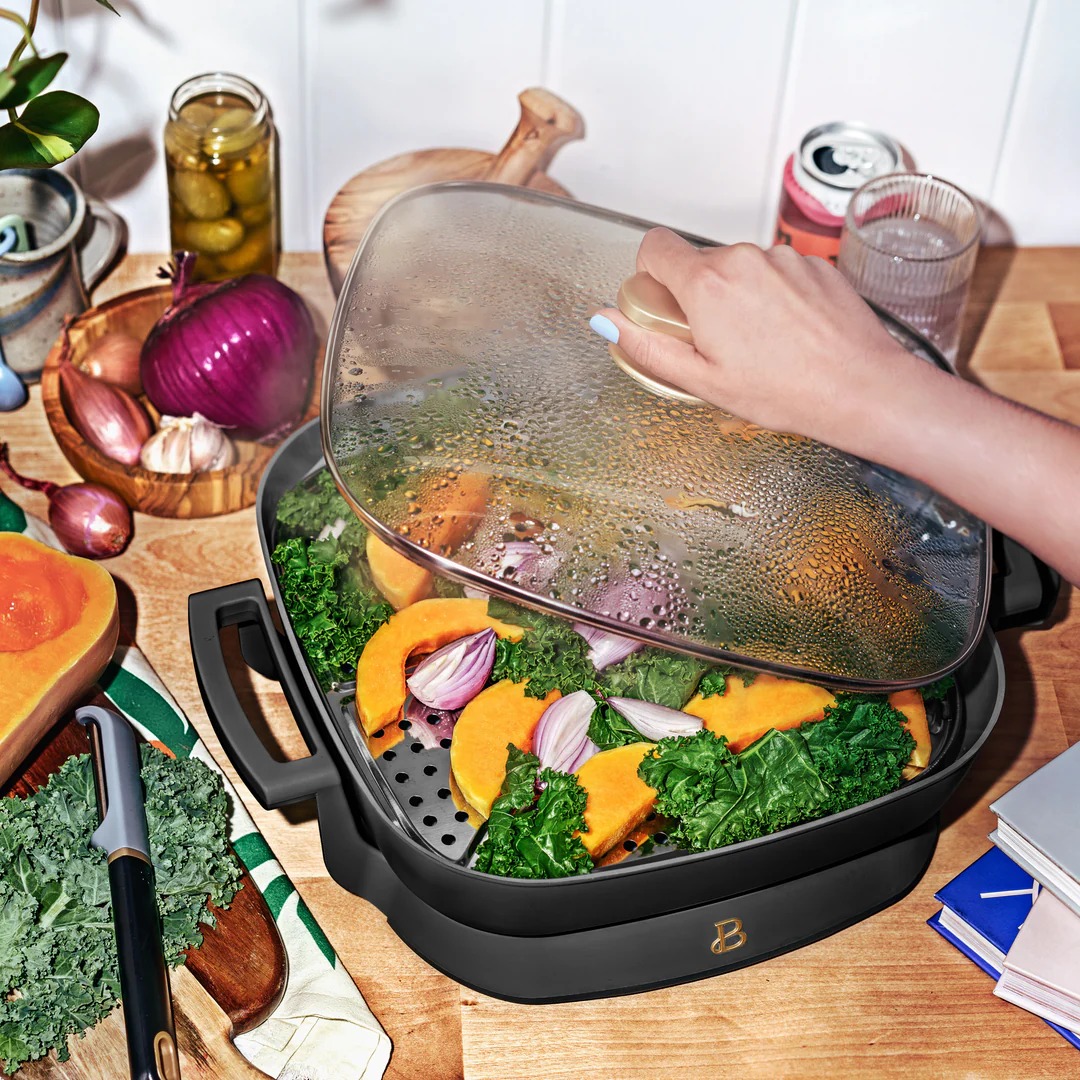
Versatility in Cooking
A high-quality stainless steel electric skillet is a versatile workhorse. It excels at searing, sautéing, frying, and even simmering. Unlike many non-stick models, its robust construction means it can often handle higher temperatures, providing more flexibility for various cooking tasks.
Understanding the Technology: What Makes These Skillets Work?
A stainless steel electric skillet without non-stick coating integrates the benefits of stainless steel cookware with the convenience of an independent heating element and thermostat.
Typically, these skillets feature a cooking surface made from a combination of metal alloys, primarily iron, chromium, and nickel. For optimal performance, many models utilize a multi-ply construction, often with an aluminum or copper core sandwiched between layers of stainless steel. This layering is crucial because while stainless steel is durable and non-reactive, it’s not the best conductor of heat on its own. The aluminum or copper core ensures even heat distribution across the entire cooking surface, eliminating hot spots and ensuring consistent results.
The integrated heating element and adjustable thermostat allow for precise temperature control, a key advantage of electric skillets over stovetop pans. This independent heating means you can maintain a consistent cooking temperature, which is essential for perfect frying, simmering, and even slow cooking.
Choosing Your Ideal Stainless Steel Electric Skillet
Selecting the right stainless steel electric skillet without non-stick coating involves considering several factors to match your cooking style and household needs.
Size and Capacity
Electric skillets come in various sizes, from compact models perfect for small meals to large, family-sized units. Consider how many people you typically cook for and the types of dishes you prepare. A 12-inch or 16-inch skillet is common, but larger options are available. Remember, electric skillets can be heavier than standard pans, especially stainless steel ones, so consider the weight when empty and full.
Material Quality and Construction
Look for high-grade stainless steel (e.g., 18/8 or 18/10, referring to chromium and nickel content). As mentioned, a multi-ply (tri-ply or 5-ply) encapsulated base or full-clad construction with an aluminum or copper core is paramount for even heating and preventing hot spots. This construction ensures your food cooks uniformly and helps prevent sticking.
Precise Temperature Control
A reliable and accurate thermostat is vital. Look for models with a wide temperature range and clear markings. Some advanced models may offer digital displays for even greater precision. Consistent temperature is the secret to successful cooking in any electric skillet.
Essential Features
- Cool-Touch Handles: For safe handling during and after cooking.
- Tempered Glass Lid: Allows you to monitor food without lifting the lid, retaining heat and moisture.
- Vented Lid: Helps release steam to prevent boil-overs or to allow for some moisture evaporation.
- Easy to Clean Components: A fully immersible skillet (after removing the heating probe) makes cleanup much easier.
- Sturdy Base: Ensures stability on your countertop.
While options for stainless steel electric skillets may not be as numerous as non-stick varieties, reputable brands do offer them. You might encounter models from companies known for their quality cookware, or even find vintage pieces like the older Farberware stainless steel electric skillets that still perform beautifully. Some brands, like Cooa Pro and Salad Master, are known for producing stainless steel electric skillets.
Mastering the Stainless Steel Electric Skillet: Tips for Success
Cooking with a stainless steel electric skillet without non-stick coating is a rewarding experience, but it requires a slightly different approach than non-stick. The key is understanding how to prevent food from sticking naturally.
The Power of Proper Preheat
This is arguably the most crucial step. Always preheat your empty skillet for several minutes over medium heat. You can test if it’s ready with the “water droplet test”: flick a few drops of water into the hot pan. If they dance and evaporate quickly, the pan isn’t hot enough. If they form perfect little balls that skitter across the surface, your pan is perfectly preheated and ready for oil.
The Right Amount of Fat
Once preheated, add your cooking oil (enough to lightly coat the bottom). Allow the oil to heat until it shimmers but doesn’t smoke. The hot oil creates a temporary barrier that prevents food from adhering directly to the metal.
Don’t Rush It – Let Food Release Naturally
When you add food, especially proteins, resist the urge to move it immediately. Allow the food to sear and form a crust. As it cooks, it will naturally release from the pan. Trying to force it earlier will only result in tearing and sticking.
Deglazing for Flavor and Easier Cleanup
After searing or browning, those delicious browned bits (fond) at the bottom of the pan are liquid gold. Pour in a splash of liquid (broth, wine, or water) while the pan is still hot and scrape with a wooden spoon. This not only creates a flavorful sauce but also helps lift any stuck-on food, making cleanup much easier.
What about seasoning stainless steel?
Unlike cast iron, stainless steel does not require traditional “seasoning” in the same way. The non-stick properties come from proper preheating and fat usage. However, some cooks find that a light layer of polymerized oil can build up over time, further enhancing its natural release properties. This isn’t a strict requirement, but rather a natural byproduct of regular use.
Beyond the Basics: Popular Dishes You Can Create
The stainless steel electric skillet without non-stick coating is incredibly versatile:
- Perfectly Seared Meats: Achieve restaurant-quality sear on steaks, chicken breasts, and pork chops.
- Sautéed Vegetables: Create vibrant, tender-crisp vegetables with beautiful color.
- One-Pan Meals: Cook entire meals from start to finish, like stir-fries or braised chicken and vegetables.
- Shallow Frying: Ideal for crispy fried chicken, fish, or even homemade donuts, thanks to precise temperature control.
- Hearty Stews and Chilis: Its deep sides and consistent heat make it excellent for simmering.
Care and Longevity: Keeping Your Skillet Pristine
Maintaining your stainless steel electric skillet is straightforward, ensuring it remains a staple in your kitchen for years.
Immediate Cleaning
The easiest way to clean a stainless steel skillet is right after use, while it’s still warm (but not scorching hot). Deglaze any stuck-on food and then wash with warm soapy water and a soft sponge.
Tackling Stubborn Stains
For more stubborn food residue or discoloration, abrasive cleansers like Bar Keepers Friend or Bon Ami are excellent. These gentle abrasive powders can restore the shine and remove any cooked-on stains without damaging the surface. Avoid steel wool or overly harsh scourers on highly polished finishes, though stainless steel is robust enough to handle most cleaning challenges.
Dishwasher Safe?
Many stainless steel electric skillets are dishwasher safe once the heating probe is removed. Always check the manufacturer’s instructions. Handwashing often gives the best results and is gentler on the appliance’s overall finish.
Proper Storage
Ensure the skillet is completely dry before storing to prevent water spots. Store it in a way that prevents scratches, perhaps with a soft cloth between it and other cookware if stacking.
FAQ
Is it hard to cook without non-stick?
It requires a slight adjustment in technique, primarily focusing on proper preheating and using sufficient fat. Once mastered, many cooks find it just as easy, if not easier, to achieve superior results.
Can I put my stainless steel electric skillet in the dishwasher?
Often, yes, once the heating element and temperature probe are removed. However, always consult your specific model’s manual for definitive care instructions. Handwashing is generally recommended for longevity.
Do all stainless steel electric skillets get really heavy?
Stainless steel skillets tend to be heavier than their non-stick counterparts due to the metal’s density and often multi-ply construction. This weight contributes to their durability and even heat distribution.
Can stainless steel scratch?
While highly durable, stainless steel can show minor scratches over time, especially with metal utensil use or abrasive cleaning. However, these are purely cosmetic and do not affect the pan’s performance or safety, unlike damage to a non-stick coating.
Is stainless steel safe for people with allergies?
While generally considered safe, individuals with severe nickel allergies should be aware that some stainless steel alloys contain nickel. However, the nickel is tightly bound within the alloy and typically does not leach into food.
Conclusion
The stainless steel electric skillet without non-stick coating is more than just a kitchen appliance; it’s a statement about intentional cooking, health consciousness, and an appreciation for lasting quality. While it demands a little more attention to technique initially, the rewards are immense: food cooked to perfection, the satisfaction of using a durable and safe tool, and the confidence that comes with mastering fundamental cooking skills.
Embrace the stainless steel experience, and you’ll discover a world of culinary possibilities, creating delicious, healthy meals with a reliable partner by your side for years to come.